
Special discounts on Standard & Premium Packages Starting from INR 2.9 Lacs (US$ 3,300)
Ask For Help

Heroin addiction is a serious and complex condition that can affect an individual’s physical health, mental wellbeing, relationships, and overall quality of life. Heroin is a highly addictive opioid drug that alters brain chemistry and creates intense physical and psychological dependence.

Heroin addiction treatment focuses on helping individuals safely stop using the drug, manage withdrawal symptoms, and develop long-term recovery strategies. Through a combination of medical care, therapy, and rehabilitation programs, individuals can overcome heroin dependence and begin rebuilding a healthier life.

Professional treatment programs provide structured support and a safe environment where individuals receive comprehensive care designed to address both the physical and psychological aspects of heroin addiction.

What Is Heroin Addiction?


Heroin addiction is a form of opioid use disorder characterized by compulsive heroin use despite harmful consequences. Heroin interacts with opioid receptors in the brain, producing intense feelings of euphoria and relaxation.

However, repeated heroin use quickly leads to physical dependence. Over time, the body begins to rely on the drug to function normally, and individuals may experience severe withdrawal symptoms when they attempt to stop using it.

As heroin addiction progresses, individuals may struggle to control their drug use and may continue using heroin even when it causes serious problems in their health, relationships, or daily life.

Without proper treatment, heroin addiction can lead to significant medical complications and life-threatening risks. Seeking professional treatment can help individuals safely begin the recovery process and regain control over their lives.

Signs and Symptoms
of Heroin Addiction

Recognizing the signs of heroin addiction can help individuals and their families seek treatment before the condition worsens.

Common symptoms of heroin addiction include:

Signs and Symptoms of Heroin Addiction

Recognizing the signs of heroin addiction can help individuals and their families seek treatment before the condition worsens.

Common symptoms of heroin addiction include:

Symptoms

Intense cravings
for heroin
Constricted pupils
Nausea or
vomiting
Sudden weight
loss
Withdrawal from
family,work, or
social activities
Financial or legal
problems related
to drug use

Recognize these signs?

SYMPTOMS

Financial or
legal problems
related to drug use
Withdrawal from
family, work, or
social activities
Intense cravings
for heroin
Nausea or
vomiting
Sudden weight
loss
Constricted
pupils

Recognize these signs?

Causes and Risk Factors
of Heroin Addiction

Heroin addiction often develops due to a combination of biological, psychological, and environmental factors. Some individuals may begin using opioids through prescription medications before transitioning to heroin, while others may start using heroin in social or stressful situations. Common risk factors include:

Cause #1

Genetic predisposition to substance addiction

Cause #2

Mental health conditions such as depression or anxiety

Cause #3

Chronic stress or traumatic experiences

Cause #4

Exposure to drug use within social environments

Cause #5

Previous misuse of prescription opioids

Cause #6

Difficulty coping with emotional or psychological challenges

Causes and Risk Factors of Heroin Addiction

Heroin addiction often develops due to a combination of biological, psychological, and environmental factors. Some individuals may begin using opioids through prescription medications before transitioning to heroin, while others may start using heroin in social or stressful situations.

Common risk factors include:

Cause #1

Genetic predisposition to substance addiction

Cause #2

Mental health conditions such as depression or anxiety

Cause #3

Chronic stress or traumatic experiences

Cause #4

Exposure to drug use within social environments

Cause #5

Previous misuse of prescription opioids

Cause #6

Difficulty coping with emotional or psychological challenges

Long-Term Effects
of Heroin Addiction

Long-term heroin use can cause severe damage to both physical and mental health. The drug affects multiple systems in the body and can lead to serious complications if left untreated.

Some of the long-term effects of heroin addiction include:

Effect #1

Increased risk of overdose

Effect #2

Respiratory problems and slowed breathing

Effect #3

Liver and kidney disease

Effect #4

Depression and anxiety disorders

Effect #5

Impaired cognitive functioning

Effect #6

Increased risk of infectious diseases

Long-Term Effects of Heroin Addiction

Long-term heroin use can cause severe damage to both physical and mental health. The drug affects multiple systems in the body and can lead to serious complications if left untreated.

Some of the long-term effects of heroin addiction include:

Effect #1

Increased risk of overdose

Effect #2

Respiratory problems and slowed breathing

Effect #3

Liver and kidney disease

Effect #4

Depression and anxiety disorders

Effect #5

Impaired cognitive functioning

Effect #6

Increased risk of infectious diseases

The following self-assessment—and those that follow—are meant for educational purposes only. They are not intended to be used to self-diagnose any condition. Only a licensed healthcare professional can give a complete substance use assessment and diagnosis. Instead, these questionnaires are designed to assist you with examining your behaviors and the nature of your substance use or the substance use of a loved one.

Please read the following 11 yes or no questions carefully and answer as honestly as you can. Your responses remain anonymous and confidential.

Self-Assessment: Am I Addicted?

Are you worried about yourself or a loved one?

Disclaimer: Only a medical or clinical professional may diagnose a substance use disorder. This self-assessment is not a diagnostic tool and should not be used as such. The assessment may serve as an indicator of a potential addiction but should not replace a diagnosis from a professional treatment provider.

Substance Abuse Evaluation Results
Generally, professionals look for the presence of 2 or more of these criteria being present in a 12-month period when evaluating for a substance use disorder.
You answered YES: 0 of 11 criteria

Take The Next Step Now

Details

Your results indicate that you may meet the diagnostic criteria for a substance use disorder, though only a doctor or addiction treatment professional may provide such a diagnosis. If you feel your use of drugs or alcohol is impacting your life negatively and want help, we're here. Treatment for addiction has helped millions of people who struggle with substance use get their lives back on track.
1. American Psychiatric Association. (2013). Diagnostic and statistical manual of mental disorders (5th ed.). Arlington, VA: American Psychiatric Association.

Our Heroin Addiction Treatment Approach

Effective heroin addiction treatment involves addressing both the physical dependence on opioids and the psychological factors that contribute to substance use. Treatment programs are designed to guide individuals through each stage of recovery with professional support.

Medical Assessment and Evaluation

The recovery process begins with a comprehensive medical and psychological evaluation. Healthcare professionals assess the individual’s physical health, substance use history, and mental health status.

This evaluation helps specialists develop a personalized treatment plan tailored to the individual’s specific needs and recovery goals.

Detoxification and Withdrawal Management

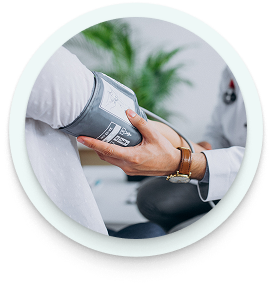
Detoxification is an essential first step in heroin addiction treatment. During detox, the body gradually eliminates heroin while withdrawal symptoms are carefully monitored and managed.

Heroin withdrawal symptoms may include: Muscle aches and body pain, Anxiety and restlessness, Nausea and vomiting, Sweating and chills, Insomnia, Strong drug cravings

Medical supervision during detox can help manage these symptoms safely and provide individuals with the support they need during the early stages of recovery.

Therapy and Counseling

Therapy is a critical part of heroin addiction treatment because it helps individuals understand the behavioral and emotional patterns associated with drug use.

Common therapeutic approaches include: Cognitive Behavioral Therapy (CBT), Individual counseling sessions, Group therapy programs, Family therapy, Behavioral therapy focused on relapse prevention

These therapies help individuals identify triggers, develop healthier coping strategies, and build stronger emotional resilience.

Rehabilitation and Recovery Programs

Rehabilitation programs focus on helping individuals maintain sobriety and rebuild their lives after addiction.

Recovery programs may include: Structured rehabilitation plans, Lifestyle and behavioral changes, Stress management techniques, Peer support groups, Relapse prevention strategies

These programs provide ongoing guidance and support to help individuals maintain long-term recovery and improve their overall wellbeing.


Our Heroin Addiction Treatment Approach

Effective heroin addiction treatment involves addressing both the physical dependence on opioids and the psychological factors that contribute to substance use. Treatment programs are designed to guide individuals through each stage of recovery with professional support.

Medical Assessment and Evaluation

The recovery process begins with a comprehensive medical and psychological evaluation. Healthcare professionals assess the individual’s physical health, substance use history, and mental health status.

This evaluation helps specialists develop a personalized treatment plan tailored to the individual’s specific needs and recovery goals.

Detoxification and Withdrawal Management

Detoxification is an essential first step in heroin addiction treatment. During detox, the body gradually eliminates heroin while withdrawal symptoms are carefully monitored and managed.

Heroin withdrawal symptoms may include: Muscle aches and body pain, Anxiety and restlessness, Nausea and vomiting, Sweating and chills, Insomnia, Strong drug cravings

Medical supervision during detox can help manage these symptoms safely and provide individuals with the support they need during the early stages of recovery.

Therapy and Counseling

Therapy is a critical part of heroin addiction treatment because it helps individuals understand the behavioral and emotional patterns associated with drug use.

Common therapeutic approaches include: Cognitive Behavioral Therapy (CBT), Individual counseling sessions, Group therapy programs, Family therapy, Behavioral therapy focused on relapse prevention

These therapies help individuals identify triggers, develop healthier coping strategies, and build stronger emotional resilience.

Rehabilitation and Recovery Programs

Rehabilitation programs focus on helping individuals maintain sobriety and rebuild their lives after addiction.

Recovery programs may include: Structured rehabilitation plans, Lifestyle and behavioral changes, Stress management techniques, Peer support groups, Relapse prevention strategies

These programs provide ongoing guidance and support to help individuals maintain long-term recovery and improve their overall wellbeing.

HOW WE MANAGE

HEROIN ADDICTION TREATMENT

At Samarpan, we offer a medically supervised and structured program for heroin addiction treatment, ensuring safety, comfort, and a sustainable path to recovery.

We create customized plans based on your history, symptoms, and goals-ensuring your care reflects your individual experience with heroin addiction.

We use evidence-based medications like Methadone, Buprenorphine, and Naltrexone to ease heroin withdrawal symptoms and reduce cravings during detox.

At our de-addiction centre, the medical team provides round-the-clock monitoring, making detox as safe and effective as possible in a controlled, compassionate environment.

We help you reintegrate into society through skill development and employment readiness, supporting long-term recovery beyond our drug addiction treatment center.

Our treatment integrates Cognitive Behavioral Therapy (CBT), Contingency Management, and Motivational Interviewing, targeting the psychological roots of drug addiction and relapse.

You'll have access to both individual and group therapy, allowing you to explore the emotional aspects of your heroin drug use and build resilience.

Our group support sessions foster connection, accountability, and motivation, proven to help individuals recovering from drug abuse feel less alone.

Our goal isn't just sobriety, it's a full life. We support your physical health, mental wellness, and self-esteem to create lasting transformation.

Seeking Help? Take the First Step Today.

If you or a loved one is experiencing heroin
withdrawal symptoms, don't wait.

WHY CHOOSE US

Frequently Asked Questions

New approaches to heroin addiction treatment include Medication-Assisted Treatment (MAT), trauma-informed therapy, and holistic care at leading addiction rehabilitation centres.

Medications like Methadone, Buprenorphine, and Naltrexone are commonly used in drug addiction treatment centers to manage heroin addiction symptoms and prevent relapse.

With professional support from a trusted heroin rehabilitation centre, many individuals fully recover from heroin addiction and lead healthy, fulfilling lives.

Substitution treatment involves replacing heroin with safer medications like Methadone or Buprenorphine to stabilize recovery and reduce the harms of drug abuse.
WhatsApp Call