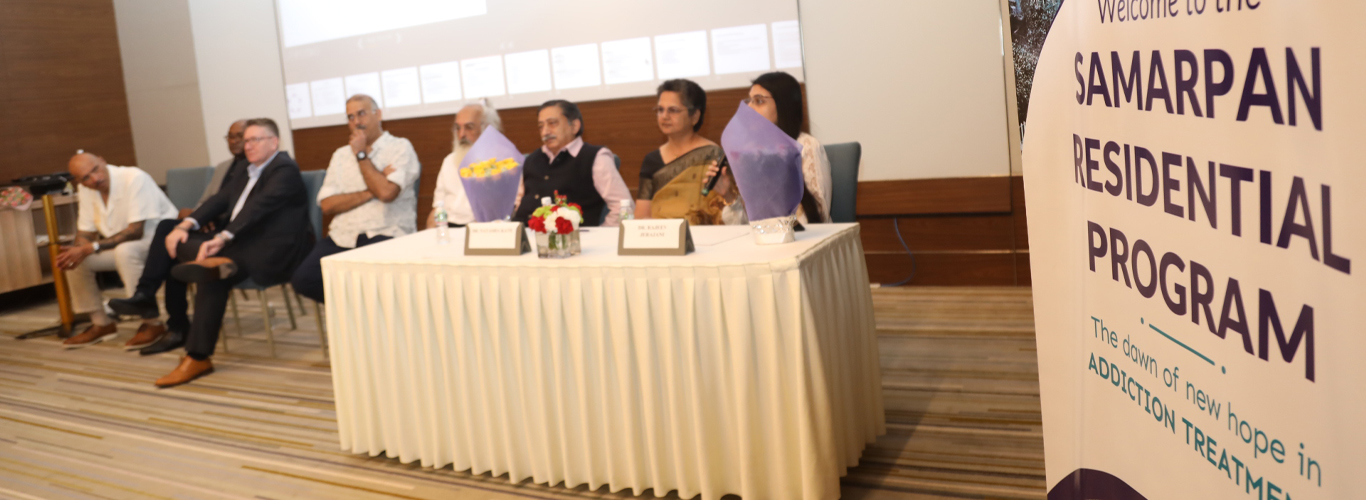
Samarpan Recovery Provides Destination Therapy For Addiction
Samarpan Recovery Provides Destination Therapy For Addiction
Some people want to attend rehabilitation programs in a comfortable environment away from their homes. Destination therapy for addiction and mental health recovery has become more prevalent in recent years. The additional privacy and anonymity often reduce stress and help clients feel more comfortable engaging in treatment. In addition, some communities do not provide access to affordable and personalized treatment options making destination programs a better option.
Destination therapy, also known as destination treatment, involves attending a rehabilitation program away from one’s local area. Some facilities like Samarpan Recovery offer destination therapy that includes the following types of programs:
Residential (RTC)
Partial hospitalization (PHP)
Intensive outpatient (IOP)
Outpatient
Clients from anywhere in the world can come to the treatment centre and receive high-quality care tailored to their unique needs. Destination treatment may require additional preparation to ensure a smooth transition into and out of treatment. The admissions office and clinicians can provide resources and essential tools to ensure the best possible outcome for clients visiting India for addiction or mental health recovery.
Samarpan Recovery Provides Excellent Destination Service
According to Martin Peters, Director of Residential Services at Samarpan Recovery, “Samarpan offers an excellent option for clients who may be looking for a treatment program outside of their local area or outside of their own country at a fraction of the cost of UK and US Rehab providers. For Pan Indian clients, there is no longer a need for travel to overseas destinations such as Thailand, UK, or the US, with the program and facilities that are offered at Samarpan at extremely competitive prices. Similarly, Samarpan is an excellent option for non-resident Indians who may also wish to participate in a modern evidence-based program, with a fusion of Indian culture.”
“During our first year of operation, we have had clients from Europe, the UK, the USA, and Africa that have enrolled in our program, and all of them have found the program to be robust, well organized, and professional.” Clients from all over the world can take advantage of the evidence-based methods and alternative holistic therapies used to treat substance use disorder (SUD) and related mental health issues.
The wide variety of clients adds to the community environment and brings an additional layer of peer engagement. Clients from all over the world can share their experiences and support.
What To Expect From Destination Therapy
Clients from other countries can choose to stay in the local area and commute to outpatient treatment sessions or attend residential treatment programs at the centre. The facility offers a comfortable and safe community environment where clients can grow and heal together.
In many cases, people choose destination therapy because they want additional privacy. Other common motivations for choosing destination rehabilitation include:
Referral from a trusted source
A desire to attend treatment in a new setting
The need for a fresh start
Wanting to experience something new
A need for more affordable care
Destination therapy for addiction is not just for Indians living in other countries or foreigners who want to attend rehabilitation away from their local community. Samarpan Recovery is also an excellent place for individuals who live in rural areas of India and surrounding countries who may not otherwise have access to high-quality care. According to Epidemiology and Psychiatric Sciences, in rural areas of India, “There is a huge shortage of trained mental health resources.” Samarpan Recovery provides the best treatment at an affordable price, which makes it a valuable destination treatment location.
Indian Citizens Living In Other Countries
In some cases, Indian citizens living in other countries may not feel that their current community provides the right forms of treatment. Clients may feel uncomfortable with more Western styles of medicine. Samarpan Recovery uses an integrative approach to care.
The client’s culture, personal, and religious beliefs are considered during treatment planning. In addition, clients have complete control over their own recovery. Collaboration between the care team and the client ensures they feel comfortable with the methods of treatments being used.
Samarpan Recovery offers the following services and treatments for clients who want destination rehabilitation:
Case management
Individual and group therapy
Family therapy and clinician-facilitated family sessions
Peer support groups
Life skill development
Nutritional coaching
Alternative therapies
The holistic nature of treatment at Samarpan Recovery ensures that every client can access the services they prefer.
Incorporating Indian Culture Into The Treatment Process
Some Indian citizens living abroad may benefit from returning to their home country for addiction or mental health recovery. The treatments take place in a familiar setting. In addition, facilities like Samarpan Recovery incorporate Indian culture into treatment planning. Community plays an essential role in Indian culture, and treatment should reflect that reality.
Samarpan Recovery prioritizes family engagement and positive peer interactions. Clients can practice coping techniques and life skills in a carefully controlled environment. Destination therapy often reduces distractions and provides a more focused approach to addiction recovery.
High-quality destination treatment facilities ensure clients have access to comprehensive care in a unique environment. Some clients choose to put physical distance between their everyday lives and treatment for addiction or mental health disorders. In addition, Indian citizens living abroad might want to return home during treatment. Regardless of the motivation, destination therapy programs have become incredibly popular in recent years. Samarpan Recovery offers excellent treatment and a continuum of care for local clients and people who choose to travel for their rehabilitation. The facility provides clients access to a rich community of peers offering unique perspectives. To learn more about our programs and services, call us today at +91 81809 19090.
Why You Need Professional Help In Interventions For Drugs And Alcohol
Millions of families are affected by the symptoms of untreated mental health issues every year. Often family members are unsure how to help their loved one get access to high-quality professional treatment. Families may need professional guidance to help their loved ones with treatment. According to the Indian Journal of Psychiatry, “In India there has been a long tradition of involving families in the treatment of mentally ill relatives.”
Samarpan Recovery is one of the top treatment centres in Mumbai and encourages family members to take an active role in the interventions for their loved ones. The evidence-based treatments provide families and clients with the support they need to build a healthy foundation for the future.
What Is An Intervention?
An intervention can take place within the home or in a clinical setting and usually involves discussing treatment options and resources with the person experiencing mental health issues. In many cases, interventions for drugs and alcohol occur during crisis moments when an individual has reached a point where they cannot function without professional treatment.
Studies have shown that intervention models “consists of stabilization, acknowledgment, facilitate[ed] understanding, encouragement, recovery, and referral[s].” Interventions help “patients return to their mental baseline following a crisis.” Multiple intervention models exist. However, families do not need a specific intervention model to successfully help their loved one enter treatment.
Do You Need Professional Guidance To Conduct An Intervention For Drugs And Alcohol?
In many cases, families can receive guidance from a professional without having them play an active role in the intervention. However, some situations are delicate and may involve severe or complex mental health symptoms. In those instances, having a clinician participate in the intervention might benefit the family and their loved one.
Often, a professionally guided intervention for drugs and alcohol does the following:
Provides referrals and information about treatment programs
Ensures individuals affected by mental health disorders and their families understand the realities of recovery
Offers insight into the causes and effects of various symptoms
Acts as an objective buffer between individuals and their loved ones
Families who feel compelled to intervene on a loved one’s behalf can use a professional intervention or consultation. The best way to start is by contacting addiction treatment centres like Samarpan Recovery. Addiction recovery specialists can provide insights and information on how to conduct a successful intervention at home or with the help of a professional.
Can Families Conduct Interventions On Their Own?
Families can conduct interventions for drugs and alcohol on their own. However, the more information they have, the better the outcome. For example, families attempting an intervention without fully understanding the situation may drive their loved one further away, causing conflict or significantly worsening symptoms. Families that educate themselves on how to conduct an intervention and the many possible outcomes often have a more positive experience.
Studies have shown, “Family-based [substance use disorder] interventions focus on encouraging clients with SUDs to initiate and sustain recovery, improving their family communication and relationships to support and sustain their recovery, and helping family members engage in self-care and their own recovery.” Families do not need a mental health professional to visit their homes and address their loved ones. However, they significantly benefit from the guidance of a clinician.
How To Get Professional Guidance For An Intervention
The general population may not know where to find accurate information and support services related to substance misuse or mental health issues. However, many resources exist. One of the best ways to get professional guidance for interventions for drugs and alcohol is to reach out to a mental health or addiction rehabilitation program like Samarpan Recovery. Families can also find helpful resources by contacting community organizations, medical clinics, therapist offices, self-help groups, and online support services.
The Benefits Of Professional Guidance
Being guided through the intervention and admissions process by a mental health professional can make it easier for families to support their loved ones. A clinician can educate families and provide unique resources that will ensure families better understand their loved one’s condition.
Seeking professional guidance before attempting an intervention for drugs and alcohol offers families the following benefits:
More context regarding their loved one’s condition and how family dynamics may affect recovery
Information about what type of language to use and how to approach their loved one about treatment
Additional details about what their loved one can expect from admissions and treatment
Interventions are often highly emotional, even when family members try to remain objective. The person needing help might feel threatened, ashamed, or embarrassed about their condition and their family’s choice to intervene. However, interventions for drugs and alcohol also show vulnerable individuals that they are loved and that there are people who want to see them get the help they need to heal.
The dedicated care team at Samarpan Recovery offers consultations and resources for families in the community. Families struggling with substance use disorder (SUD) or mental health issues can rely on clinicians to provide insights, guidance, and step-by-step instructions on setting up and conducting a successful intervention. Samarpan Recovery is one of the top rehabilitation centres in India, and the care team can help families find positive ways to engage with their loved ones during an intervention.
A professional intervention can help people struggling with addiction and mental health issues. However, having a clinician, therapist, or other professional physically involved in the intervention is not always necessary. Sometimes, including an outsider in such a delicate and emotional event can be counterproductive. Families can conduct their own interventions for drugs and alcohol while being informed and guided by a professional. The partnership can help families understand what to avoid and how best to approach their loved ones. Samarpan Recovery offers intervention consultations and family support services. Everyone should have access to high-quality addiction and mental health treatment. To find out more about our treatment centre in Mumbai, call us today at +91 81809 19090.
Samarpan Implementing the Gorski-CENAPS Model of Relapse Prevention
In January 2023, Samarpan was delighted to welcome Roland Williams MA, MAC, LAADC, NCACII, CADCII, ACRPS, SAP CENAPS President, CEO, and Director of Training to our residential facility in Mulshi, Pune. Over a period of Five days, Samarpan staff was provided with world-class, relapse prevention-specific training as part of the ongoing commitment to professional and organizational development.
Roland has traveled extensively across the world, consulting and training in multiple residential and outpatient treatment services, and is a well-known and respected Substance Abuse Expert having been in the field for over 30 years. He has also published a number of books on recovery and working with African Americans.
Whilst he was here with us at Samarpan, we asked him a few questions about his work, and also his experience of Samarpan.
1. Can you tell us a little bit about the CENAPS model and the 5-day training?
The Gorski-CENAPS Model of Recovery and Relapse Prevention (The CENAPS Model) is a comprehensive system for diagnosing and treating substance use disorders, co-occurring mental disorders, personality disorders, and situational life problems. The CENAPS Model integrates addiction-specific treatment methods with state-of-the-art cognitive, affective, behavioral, and social therapies.
Terence Gorski developed the 5-Day Advanced RPT Training for clinicians to better address the relapse process and increase support for their relapse-prone patients. Ranked among the most comprehensive and effective training for behavioral health professionals, RPT is for those who wish to advance their clinical skills through a proven, evidence-based approach. Training staff will utilize their current skills and integrate them with powerful techniques to help their clients identify and manage high-risk situations as well as core personality and lifestyle warning sign patterns that lead to the recurrence of alcohol and other drug use in the critical early stages of the recovery process. About Advanced Relapse Prevention Therapy Training.
2. How will this training benefit Samarpan staff?
Staff will learn how to use evidence-based clinical interventions to teach their clients/patients to Develop an RPT Treatment Plan – personalizing the standard treatment plan for RPT. Build Conceptual Pyramids -develop a conscious way of thinking and problem solving that describes each problem. Actively Listen – a communication process to increase understanding and remain engaged. Recognize and lower stress through Relaxation Response Techniques and how to Bookmark Hot Issues that activate stress-related defensiveness.
Staff will learn how to teach their clients/patients how to use standard procedures in groups (or individual) sessions that help them stay on track and engaged in treatment with segments on Group Opening, Presentation, and Closure Procedures. Staff will learn how to teach their clients/patients how to identify and clarify their Presenting Problems, review their Life and Addiction History, and Recovery and Relapse History to understand the core pattern of personality and lifestyle problems that created pain and problems and how to make a commitment to complete the RPT process.
Staff will learn how to teach their clients/patients to identify, examine, understand, relate, and manage Warning Signs that can lead to relapse through segments on Warning Sign Review, Initial Warning Sign List, Warning Sign Analysis, Final Warning Sign List, and Critical Warning Signs, and Warning Sign Management. Staff will learn how to teach their clients/patients Recovery Planning including how to develop a schedule of recovery activities that can support the ongoing identification and management of the core personality and lifestyle problems that lead to relapse.
3. What can clients expect from the implementation of The CENAPS model?
Better treatment outcomes, including but not limited to less recidivism, improvement in participation in recovery-based lifestyle, and increased awareness about their own relapse warning signs.
4. Lots of clients often have trouble maintaining recovery, you have discussed The Fresh Start program at Samarpan – and introduced that…what does that entail, and who will this be for?
The Fresh Start Program will be specifically for the Relapse Prone client, those who have a history of being actively abstinent and engaged in recovery-related activities who have repeated relapses despite a strong desire to abstain.
5. You have traveled all over the world, working with various treatment centers, what is your take on The Samarpan program and its approaches to treatment?
Samarpan is a beautiful and incredibly affordable program, with great potential to be the best program in India, and could compete with any other treatment center worldwide. In time Samarpan has the capability of delivering the full continuum of care, from detox, residential, Intensive Outpatient, 1 on 1 counseling and sober living a Family Program, and an Alumni Program. Samarpan has some very skilled and dedicated staff members. The schedule and curriculum in the residential program are robust and clinically sound. It’s very impressive what the team has done so far in such a short amount of time. I haven’t had the opportunity to learn enough about the Out-Patent program yet.
6. Additionally, you have spent a lot of time with the clinical staff at Samarpan in the last week, what are the strengths of the team?
Martin Peters and Obi Unaka are both seasoned, skilled hard-working treatment professionals, who work very well with the staff and clients. The clinical staff I met are at various levels of experience in addiction-specific treatment, however, all seem eager to learn and most importantly very compassionate, professional, and dedicated. Overall, I was very impressed with every staff member I met at the residential program, from facilities, the kitchen staff, the administrative staff, and the clinical staff. All were very kind, warm, and welcoming to me, each other, and the clients. The program has very good human “energy”.
7. With your experience, what are some of the important things that a program should include and what types of modalities should programs offer?
The full continuum of care: detox, residential, Intensive outpatient, 1 on-1 counseling, sober living, a Family Program, and an Alumni Program.
8. What do you hope to achieve from your week in India, and what does a CENAPS Centre of Excellence entail?
First of all, I wanted to visit a country that has always fascinated me. Secondly, I was excited to play a part in bringing an evidence-based treatment model to India. And also, I looked forward to seeing my old friend and colleague Martin and getting to spend more time with Obi. Professionally I wanted to share these powerful clinical techniques with the clinical team because I know they are effective in saving the lives of clients struggling with addiction-related issues.
The Gorski-CENAPS Center of Excellence designation is reserved for those treatment providers who evidence exemplary Relapse Prevention services through the use of the CENAPS Model of Treatment. Although any provider may seek this designation, only those who meet the rigorous standards for endorsement will be officially recognized. Our mission is to collaborate with treatment providers who are committed to fully implementing the Gorski-CENAPS® Developmental Model of Recovery and Relapse Prevention. Our commitment is to recognize, support, and assist our CENAPS® Centers of Excellence (COE) partners reach as many people in need of recovery and relapse prevention as possible and to provide them with Evidenced-Based treatment protocols.
Objectives
(A). To complete a comprehensive review of the provider of CENAPS Model Services to assure that the Center of Excellence Criteria has been met. This includes a review of policy, procedure, program design, and documentation.
(B). To provide In-service training and consultation to help the potential Center of Excellence to identify and correct deficiencies in meeting the Centers of Excellence Criteria.
(C). To establish an ongoing collaborative relationship between the CENAPS Corporation and the CENAPS Center of Excellence in order to:
(1). Ensure the comprehensive utilization of the CENAPS Model of Treatment
(2). Complete applied research studies that evaluate the strengths and weaknesses of the CENAPS Model
(3). To help design and field test new adaptations of the CENAPS Model that can improve the delivery of relapse prevention services.
The exclusive benefits of becoming a Center of Excellence are:
1. Gorski-CENAPS Name. Centers of Excellence are allowed to use the Gorski-CENAPS name in advertising their treatment center. Only Centers of Excellence share this benefit.
2. Customized Program Manuals. The Centers of Excellence will be provided with a complete set of clinical manuals that will be customized for their use. These clinical manuals will be used as the basis of developing the science-based manualized treatment approach that will become one of the hallmarks of the Centers of Excellence designation.
3. Marketing. The reputation of the CENAPS Corporation will set The Centers of Excellence apart from their competitors and aid in publicizing the program to local, regional, and national marketplaces.
4. National Exposure. CENAPS executive staff members speak to thousands of professionals at conferences and workshops each year and will refer to the Centers of Excellence clinical programs whenever appropriate.
5. Preferred Referral. As a result of CENAPS extensive lecturing and publishing commitments, The CENAPS Corporation routinely receives requests for treatment referrals for relapse-prone patients. The Centers of Excellence would be the preferred referral.
6. Advertising. The Centers of Excellence would be given the privilege of placing an ad in the Gorski-CENAPS annual Recovery and Relapse Prevention Catalog. This catalog is of excellent quality and is mailed to over thirty-five thousand people annually.
7. Website Listing. The Centers of Excellence would be listed on the Gorski-CENAPS Centers of Excellence page of the CENAPS Website. Listing would include the year of Center of Excellence designation, program address, phone number, and link to the program’s website.
8. Marketing Advice. CENAPS executives will advise the marketing department at The Center of Excellence on how to effectively market this program and would provide whatever administrative consultation is desired within the context of the agreed-upon time commitments.
9. Often people in India question the cost of the program at Samarpan, in your view could you explain costing and compare it to other treatment providers?
The exact same program you are providing in the US or UK would cost at least 4-5x as much. Samarpan Residential provides all licensed and/or certified clinical staff, 24-hour nursing, initial medical, psychiatric, psychological, nutritional, fitness, substance abuse, and psychosocial assessments on all clients. The treatment is delivered in all luxurious private rooms, with a full commercial gym, wonderful chef-prepared meals, and an art studio in a beautifully landscaped safe, and clean environment. There is a significant overhead to provide all of these services and amenities and as such the costs for treatment will reflect that. Treatment need not and should not be punitive and this program offers a treatment experience that is comparable to all of the other services in India that recognize that although cheaper more affordable options are available some clients want the best possible and are willing and able to pay for it. As a side note I don’t think the program is charging enough and financially this is more a “labor of love” and is most likely losing money.
10. What have been the highlights of your week at Samarpan?
I fell in love with this amazing country and was struck by the kind spirits of most of the Indian people I met. Seeing the diversity of the landscape and the people was fascinating to me and I wish I had more time to explore as there is so much more to see. My week at Samarpan was great, it went by so quickly, the staff was fully engaged, professional, and receptive to learning, The active participation of the program directors Martin and Obi and the other clinical staff members in a full five-day training while also treating clients before and after each day was admirable. Finally, it was great to see how well the team worked together and I could see the potential for more collaboration with the residential and outpatient program.
We were delighted to have Roland with us, and Martin Peters Director of Residential Services said “Roland is an exceptional trainer as well as being a globally recognized expert in the field of substance abuse residential treatment. It was a highly enlightening week of training, which will increase the skill level of our staff, and improve the delivery of international standard evidenced-based treatment in India. Throughout the week, we have also had the opportunity to review and reflect on our program and make some new changes, as well as introduce The Fresh Start Program for clients who have a history of chronic relapse. We are delighted to be the only treatment center in India to offer such a program, and have staff trained in this model, and are eagerly working towards gaining a Centre of Excellence Accreditation towards the end of 2023”.
Obi Unaka, Deputy Director of Residential Services stated, “It was a pleasure and an honor to have Roland come over to India to deliver the CENAPS RPT training to our staff. His infectious and collaborative training style enabled all attendees to grasp the concept of this model and assisted our staff in being able to adapt the model to the culturally sensitive Indian landscape.”
For more information on Gorski-CENAPS go to www.cenaps.com
Client Directed Care At Samarpan Recovery
Clients who have an opportunity to direct their own care often have better outcomes. The care team develops a deeper connection with them and often has a better idea of the client’s expectations for recovery. According to the International Journal of Person-Centered Medicine, “A clinician’s effectiveness in treatment depends substantially on his or her attitude toward — and understanding of — the patient as a person endowed with self-awareness and the will to direct his or her own future.”
Samarpan Recovery, one of the top rehabilitation centres in India, allows client directed care when appropriate to ensure a positive client experience.
How Does Client Directed Care Work?
Client directed care in addiction treatment allows clients to engineer their own recovery by actively engaging in therapy and providing input into their care plan. The care team conducts comprehensive assessments and screenings for each new client. After determining what factors may affect treatment, the care team then guides the client through choosing effective forms of treatment to meet their needs.
Some factors that may influence long-term recovery include:
Cultural, religious, or personal beliefs and traditions
Family dynamics and family history of substance misuse
Any co-occurring disorders or underlying issues
The need for accommodations
The severity of symptoms and any complications
Screening clients gives the care team more context and offers clients an opportunity to communicate their needs and goals. Some clients may also undergo additional testing, especially in cases where they may need prescription medication. The results will help the clinical team provide clients with the information they need to direct treatment during rehabilitation and continuing care.
Samarpan Encourages Client Autonomy
Martin Peters, Director of Residential Services at Samarpan Recovery, has said, “As part of our client-centered and individual treatment approach, we work with the client in a collaborative manner, which means that we identify the major issues that are affecting the client, and then develop treatment plans for each individual issue. This means that we need to actively listen to the client and facilitate a process that the client feels part of and can buy into it. It’s also important for us as therapists to meet the client where they are at so that we can help them get to where they want to be.”
Clients often feel more comfortable if the care team does the following:
Provides detailed information about the available treatment options
Facilitates family engagement without allowing the family to take control of the treatment process
Offers various treatment methods that align with the client’s personal, cultural, and spiritual beliefs
Martin Peters continued by saying, “Clients who are involved in the treatment planning process, are far more likely to engage in a positive manner, as opposed to the therapist prescribing a form of treatment that they may not buy into. There have been huge shifts in the way that treatment has been delivered in the past 25 years, where therapists are qualified people, with a specialty in addiction, but have a variety of evidence-based approaches that they can introduce into the treatment process. As a client progresses through their journey at Samarpan, [their] treatment plans will be reviewed and updated, as well as getting the client to take responsibility for developing their own recovery plan.”
Benefits Of Client Autonomy
Client directed care means clients often have better transitions between the various levels of care. Autonomy requires open lines of communication between the client and the care team. According to StatPearls Publishing, “Proper communication allows patients to be more knowledgeable about their prognosis and to be more proactive in seeking assistance.”
Obi Unaka, Deputy Director of Residential Services at Samarpan Recovery, has said, “In enabling clients to guide their own treatment, we offer the opportunity for them to take responsibility for themselves. At Samarpan, the focal therapist collaboratively devises the client’s treatment plan with the client taking the lead.” In addition to providing a stable foundation for future growth, the collaboration also shows clients that their voice matters.
The Long-Term Benefits Of Allowing Clients To Direct Treatment
Some of the long-term benefits of allowing client directed care include the following:
Increased self-confidence, self-efficacy, and self-esteem
Greater engagement in treatment
Reduced risk of relapse during continuing care
Improved communication
More confidence in their ability to overcome challenges during recovery
Clients experience less stress when they improve their skills and resolve issues using the tools learned in therapy. The best addiction recovery programs challenge clients to think about their situation from alternative perspectives. Being able to objectively problem-solve and make plans for their recovery can inspire positive long-term change.
Maintaining Self-Accountability When Clients Direct Treatment
Self-accountability and increased self-awareness are essential skills for clients in recovery. The ability to recognize potential triggers and utilize healthy coping techniques can reduce the risk of relapse.
Clients are less likely to backslide if they feel confident about their ability to cope with everyday stressors. Client directed care does the following:
Strengthens the bond between the client and the care team
Ensures treatments plans meet the unique needs of each client
Encourages clients to embrace personalized treatment
The top rehab centres for addiction recovery all feature personalized care that treats underlying issues alongside substance use disorder (SUD). Individuals in recovery can rely on clinicians to guide them through the recovery process. Clients communicate daily with the care team during rehabilitation to ensure continued progress. Clients in recovery can rely on their care team to guide them through the process. Samarpan Recovery provides the best addiction recovery programs and encourages client directed care.
Some clients go through multiple programs trying to get the help they need. Instead of healing, these individuals may struggle to feel heard. Clients recovering from substance misuse and co-occurring mental health issues benefit from having more autonomy and control over their treatment plans. Samarpan Recovery offers rehabilitation services in Mumbai, where we use a personalized approach to ensure clients get the care and support they need to heal. We use a holistic approach to care, addressing all issues and factors that may impact treatment and long-term recovery. To learn more about our programs and how we can help you or a loved one, call us today at +91 81809 19090.
Autonomy And Ethics In Addiction Treatment
Individuals being treated for substance use disorder (SUD) and related mental health issues benefit from ethical care. Treatment programs like the ones offered at Samarpan Recovery ensure clients have the option to direct their own recovery with the guidance of mental health professionals. According to the Indian Journal of Psychiatry, “Consent is considered as one of the important components of health-care delivery.”
Ethics in addiction treatment involves informed consent. The evidence-based treatment programs at Samarpan Recovery provide personalized care that prioritizes client autonomy.
Collaboration And Ethics In Addiction Treatment
Clients in recovery have an opportunity to collaborate with their care team. Personalized treatment plans that take advantage of this collaboration ensure clients have their needs met in ways that support long-term recovery.
During rehabilitation and continuing care, clients can benefit from the following:
Being educated about the details of their condition and the various treatment options currently available
Maintaining control over the direction and tone of their recovery
Transparency from the clinical team about treatment progress
Ethics in addiction treatment should prioritize client growth and healing. Collaboration means actively listening to the client, getting a comprehensive history of their condition, and helping the client establish and maintain healthy coping mechanisms. The care team collaborates with clients and their families to ensure consistency during rehabilitation and ongoing recovery.
Compassion And Respect In Health Care
Ethics in addiction treatment requires respect and compassion. Clients in treatment come from all walks of life, and each one struggles with issues that affect their ability to function. Clinicians who show compassion, empathy, and understanding provide clients with a healthy environment for change.
Samarpan Recovery provides the best addiction recovery programs and values the following:
Transparency in treatment and continuing care
A person-first approach to care during all stages of rehabilitation
Ensuring treatment plans address all current, potential, and underlying issues
Client consent and engagement in the recovery process
Individuals with substance use disorder face prejudice, stigma, and discrimination. Samarpan Recovery is one of the top rehabilitation centres in India. The clinical team at our facility treats clients with the respect and compassion they deserve.
How To Support Personal Autonomy In Rehabilitation
Martin Peters, Director of Residential Services at Samarpan Recovery, stated, “We firmly believe that all clients should have autonomy in their treatment process, whilst at times we need to be directive, as a clinical team working with the client, as opposed to against the client is imperative. This is why we have a collaborative approach to treatment planning and working with the clients. All of [our] treatment interventions are evidence-based and have proven to be effective in residential treatment. We acknowledge the importance also of involving the family in the process so that a stronger recovery foundation is built. All of our clients are voluntary admissions, and we do not subscribe to involuntary admissions into the program.”
Many treatment facilities overstep and have unethical practices. To become one of the top rehab centres for addiction recovery, Samarpan sets itself apart by avoiding actions that may harm the client’s physical or mental health. The dedicated care team at Samarpan Recovery will never do the following:
Keep individuals against their will
Ignore the needs and preferences of clients
Take full responsibility for long-term recovery
Promise unrealistic results
Limit client rights
According to Martin Peters, “One of the big shifts in mental health services in the late 1980s and early 1990s was the concept of informed choice, and we continue to believe that providing clients with a menu of options that they can access is very important in the process.” In addition, Samarpan Recovery expects clients and their families to take responsibility for a longer recovery. Family support is often the foundation of continuous sobriety.
Basics Of Ethics In Addiction Treatment
The care team at Samarpan Recovery uses evidence-based treatments and strong ethics in addiction treatment to provide the best addiction recovery programs in the country. A few ways our care team supports client rights include:
Getting client consent before starting treatment
Informing the client of what to expect from treatment during every step of the process
Providing trauma-informed care and remaining sensitive to the client’s needs
Being aware of the client’s beliefs and cultural traditions
Respecting the client’s privacy and confidentiality
Being honest with the client about their rate of recovery and changes that need to be made to their treatment plan
Clients often have better outcomes if treatment addresses all factors affecting their physical, emotional, and spiritual health. Ethics in addiction treatment combined with personalized treatment focuses on the person and not the disease.
Providing Ethical Support In Long-Term Recovery
Ethical support extends to ongoing recovery and continuing care. Families, treatment facilities, and communities in India can ethically support long-term recovery by providing various forms of support, including:
Community-based self-help groups
Advocacy programs
Sponsors or mentors
Practical support and access to treatment
Samarpan Recovery helps clients and their families connect with local resources and find new ways to heal from the damage of substance misuse. In addition, the facility continues to provide alumni services to support clients and their ongoing recovery. Clients can successfully recover from SUD and build healthy futures for themselves using the skills and tools taught at Samarpan Recovery.
Individuals struggling with substance misuse and related mental health issues benefit from ethical care, autonomy, and personalized treatment during the rehabilitation process. Clients are more likely to connect with treatment more deeply if it is focused on areas they find meaningful. Many clients feel more comfortable engaging with their care team if there is an open line of communication and a sense of trust. Ethics in addiction treatment establishes trust by encouraging clinicians to collaborate with clients and their families. Samarpan Recovery offers evidence-based methods and personalized care to help clients recover from substance misuse. To learn more about our treatment programs and support services, call our office today at +91 81809 19090.
Interplay Between Culture And Substance Abuse
Culture and substance abuse are inherently linked. A person’s culture affects risk factors associated with substance use disorder (SUD) and mental health issues. In some cases, cultural beliefs can lead to damaging stigmas. According to the Annals of Indian Psychiatry, “Stigma, in its various forms, can act as a barrier to treatment.” Samarpan Recovery educates individuals and families to reduce the spread of cultural stigmas that may otherwise affect a person’s ability to access quality treatment.
The Relationship Between Culture And Substance Misuse
A person’s culture influences how they respond to mental health symptoms and the side effects of substance misuse. In addition, cultural expectations and norms often affect how a client feels about their diagnosis and beliefs about rehabilitation.
Some individuals and families have a limited understanding of how recovery works. Within their cultural context, they may perceive treatment as unnecessary or as a “cure.” However, treatment is neither of these extremes. Instead, it is one step of the recovery process and provides clients with the tools they need to establish and maintain healthy routines.
Culture and substance abuse relate in the following ways:
Social drinking in some cultures increases the risk of dependency and addiction
Mental health stigmas may reduce access to treatment and increase the risk of self-medication using prescription or illicit drugs
Maladaptive family dynamics can lead to enabling behaviours that turn compulsions or dependency into addictive SUD
Indian culture and substance abuse are interrelated, as culture may cause some families to avoid seeking help out of shame or fear of being judged. Families may also unintentionally enable their loved ones and facilitate addictive behaviours. The relationship between family, culture and substance abuse disorder is complicated and often requires various levels of care to treat effectively.
Respecting The Nuances Of Indian Culture During Recovery
Healthcare providers and therapists need to respect Indian culture when treating individuals in recovery. In many cases, this involves including extended family in the treatment process by educating them about the realities of SUD and informing them of how best to support their loved one.
According to the Indian Journal of Psychiatry, “Culture is constantly in the process of change and it is transmitted from one generation to the next.” Providing families with education and context for substance misuse and mental health issues encourages a more positive social response in future generations. Samarpan Recovery is one of the best addiction recovery programs where clients and their families can feel comfortable and respected during treatment.
How Culture Impacts Experiences And Recovery Expectations
According to Obi Unaka, Deputy Director of Residential Services at Samarpan Recovery, “[W]e are very much aware of the benefits of treating our clients in the context of the culture in which they are from. Adopting a pure Western approach to treatment in India will do a disservice to the Indian client as he/she will be returning back to the family in which every member plays a significant role. As much as possible, in treatment, we try to duplicate and mirror the community in which the wider and extended family members are involved thereby creating the opportunity for learning how a supportive network is of benefit to long-term recovery.”
Samarpan Learns From The Families We Help
According to Martin Peters, Director of Residential Services of Samarpan Recovery, “As therapists, all of us have a responsibility to be culturally competent in the work that we do. As part of Samarpan’s plan to work towards CARF accreditation, cultural competency is an important aspect of the standards of care that [we] required to be delivered.”
“Our clinical team, whilst having an international flavour has a strong understanding of Indian culture and and substance abuse dynamics and it is one of the reasons . . . we have a family program and offer family support groups, and also for us to understand the varying cultural nuances that are different depending on where clients come from.”
Samarpan Recovery became one of the top rehab centres for addiction recovery by listening to clients and meeting their unique needs. The best addiction recovery programs always focus heavily on collaboration and evidence-based care.
Cultural Sensitivity And Long-Term Recovery
Long-term recovery often requires the support of family and friends. Cultural sensitivity ensures that clinicians connect on a deeper level with clients and their families. The care team takes into consideration the context of cultural beliefs and expectations.
A client’s view of their progress often determines the success of long-term recovery. For example, some people may have a culture heavily influenced by religious beliefs. In those instances, substance misuse and recovery may be framed within the context of supernatural forces, affecting how the client chooses to address their disorder. In this way, the client’s culture and substance abuse recovery are intertwined.
Practicing cultural sensitivity reduces miscommunication, confusion, and ambivalence. During rehabilitation, the clinical team considers the following aspects of a client’s culture:
Expected behaviours
Values
Customs
Roles
Rituals
Relationships
Samarpan Recovery, one of the top rehabilitation centres in India, educates clients and their families on recovery and treatment options. The clinical team uses culturally sensitive personalized treatment to help clients heal, grow, and thrive in recovery. Clients in treatment learn to use aspects of their culture and family support to maintain positive changes.
Personal beliefs about substance misuse, treatment programs, and long-term recovery are tied to cultural traditions. Samarpan Recovery understands the importance of providing support within the context of a client’s culture and unique circumstances. During treatment at our facility, clients and their families will collaborate with the care team to ensure the client feels safe and respected throughout the treatment process. We understand that various cultural beliefs can sometimes interfere with treatment, and our team ensures all clients are properly informed of their treatment options. We believe all clients should have an opportunity to make an informed decision. To learn more about our top addiction recovery programs, call our office today at +91 81809 19090.
The Benefits Of 12 Steps For Recovery
Twelve-Step meetings have been a cornerstone of addiction recovery for many people struggling with substance use disorder (SUD). However, not everyone is familiar with the 12-Step philosophy. Many clients benefit from attending educational 12-Step Facilitation (TSF) therapy. According to Social Work in Public Health, “It was found that patients treated in TSF attended more 12-Step meetings, had reductions in drinking comparable to patients in the other treatment conditions, and had higher levels of overall abstinence.”
Samarpan Recovery, a top rehab centre for addiction recovery, uses 12-Step Facilitation and other forms of therapy to help clients heal and prepare for long-term recovery.
12 Steps For Recovery During Rehabilitation
Martin Peters, the Director of Residential Services at Samarpan Recovery, said, “At Samarpan we understand that one size does not fit all. Our program provides facilitation of 12 steps for recovery, whereby clients are introduced to the Twelve Steps, and gain a working knowledge, but we do not work the Steps within the program, as this is something that clients should do outside of their treatment program, with a sponsor. As well as 12-Step Facilitation, we introduce the concept of ‘Mutual Aid’ and alternative support groups” such as:
SMART Recovery
Refuge Recovery
LifeRing
Women for Sobriety
Martin Peters continued by saying, “Samarpan is an international rehab centre; clients coming from overseas will likely find that alternative options from AA [Alcoholics Anonymous] and NA [Narcotics Anonymous] are more available in countries such as the UK, USA, Canada, and Australia, whereby in India peer support groups are predominantly of 12-Step Origin at present. Irrespective, there is ample evidence that clients who engage in peer support-led groups have better outcomes in their recovery.
“What has been quite clear as treatment has developed over the last 20 years, [is] that prescriptive treatment is not the most effective, and . . . as clinician[s] we should understand that different clients will do their recovery differently.” Samarpan ensures clients have access to various resources, including multiple self-help options for treatment and continuing care. The facility supports clients through the different stages of rehabilitation.
12-Step Facilitation At Samarpan Recovery
According to Obi Unaka, Deputy Director of Residential Services at Samarpan Recovery, “Using the 12 steps for recovery at treatment centres enables clients to understand the central tenets of the 12-Step philosophy, its concepts, traditions, and processes. This also encompasses didactic information on working the actual Steps, getting a sponsor, going to meetings, and doing service. 12-Step facilitation is quite different from actually doing the Steps while in treatment. At Samarpan, our approach is to offer a comprehensive overview of the 12-Step programme and other mutual-aid/self-help groups in order to be able to offer options to meet the needs of anyone who may be averse to engaging with a specific group.”
Attending Meetings
Clients will have an opportunity to attend 12-Step meetings outside of treatment and engage in peer support groups during rehabilitation. TSF prepares clients to attend 12-Step meetings and ensures they understand the key tenants of the philosophy. Samarpan Recovery offers some of the best addiction recovery programs, and every client has access to 12-Step Facilitation therapy.
Finding A Sponsor
TSF ensures clients know the benefits of finding a sponsor and how to maintain a healthy sponsor-sponsee relationship. Many clients rely solely on family members and very close friends for their emotional support. However, objective advice and encouragement from a 12-Step sponsor can help clients continue to improve during continuing care.
TSF therapy educates clients about the benefits of using 12-Step tools. Sponsors are one of the most common, and they provide the following advantages:
Accountability for continued sobriety
Shared knowledge about various stages of recovery
Guidance on following the Steps
Every person has a different experience during treatment and continuing care. However, connecting with someone who has already gone through multiple stages of recovery can provide invaluable insights, inspiration, and motivation.
Alternatives To 12-Step Meetings
Using the 12 steps for recovery is only one option; many other alternatives exist. Clients often try multiple local organisations and groups before settling on the ones that offer the most relevant support. Family members can also benefit from attending support groups, including:
Al-Anon Family Groups
Families Anonymous
SMART Recovery Family and Friends
Every meeting will have slightly different formats, guidelines, and expectations. Clients often sample various groups and choose whichever meets their needs the best. In addition, clients can always access national and international recovery support meetings online.
The Role Of 12-Step Facilitation In Relapse Prevention And Continuing Care
Samarpan Recovery is one of the best treatment centres in India, and it uses every resource available to support clients. TSF therapy provides clients with a clear understanding of how to use self-help meetings to maintain sobriety.
Using the 12 steps for recovery significantly reduces a client’s risk of relapse during continuing care by doing the following:
Providing a healthy outlet for personal expression
Ensuring clients feel less alone and understood
Providing strict accountability and sober support
Reducing the risk that clients or their families may engage in enabling behaviours
Individuals in recovery benefit from having a strong support system. Samarpan offers the best therapy treatment options in Mumbai and encourages all clients to try TSF to determine if they may benefit from the 12-Step philosophy during continuing care.
Twelve-Step Facilitation (TSF) is an excellent way to introduce clients to the 12-Step philosophy and determine if they may benefit from self-help groups during continuing care. Many clients find 12-Step meetings and the 12 steps for recovery essential to long-term recovery and personal growth. The fellowship, shared experiences, and sponsor-sponsee relationship often provide a solid foundation for positive changes. Clients and their families can use self-help groups to find hope, inspiration, and accountability. Samarpan Recovery provides TSF and encourages clients to take advantage of local 12-Step meetings during continuing care. Our dedicated clinical team can help clients explore all their treatment and support options. To learn more about our services and programs, call us at +91 81809 19090.
Treatment For Addictive Behaviors Should Not Punish
Some people may try to force their loved ones to stop risk-taking behaviours like substance misuse by setting unrealistic expectations and punishing any infractions. However, even well-meaning forms of punishment cannot cure substance use disorder (SUD) or related mental health issues. Instead, these forms of “tough love” often interfere with treatment for addictive behaviors.
According to the Substance Abuse and Mental Health Services Administration (SAMHSA), “Motivation for change is a key component in addressing substance misuse.” The Samarpan Recovery rehab centre uses evidence-based tools and assessments to determine the best treatment and motivation for each client.
Negative Reactions To Maladaptive Behaviours Don’t Help
Individuals struggling with SUD have behavioural issues influenced by physical changes caused by substances and their side effects. Chemical imbalances in the brain cause people to exhibit emotional outbursts and addictive behaviours. In addition, they may have difficulty coping with stress.
If communities or family members react to unwanted behaviours by shaming or punishment, it may increase the severity of symptoms or cause additional mental health issues. In addition, clients who feel ashamed or afraid of being judged may not seek treatment for addictive behaviors.
A few reactions families should avoid include:
Blaming their loved one for the symptoms of their condition instead of getting them to help
Belittling their loved ones in an attempt to shame them into changing
Avoiding the issue or enabling their loved one in the hopes the problem will go away on its own
Putting unrealistic expectations on the loved one to “get better” without necessary treatment for behavioral addictions
Cultural, religious, and personal beliefs affect how families react to individuals struggling with SUD.
Punishing Addictive Behaviors Can Reduce The Effectiveness Of Treatment
According to Martin Peters, Director of Residential Services at Samarpan Recovery, “In more dated approaches to treatment, shaming and punishing approaches were used. These have been seen to be ineffective, unethical and often counterproductive. The majority of clients that present in treatment, already have endured shame, and further shaming and punishment do not have any clinical justification. Within Samarpan, we treat clients as an individual and work to understand more about them, and their needs, and to work in a collaborative approach.”
Collaboration during treatment for addictive behaviors positively affects the following:
Client and family engagement
Effectiveness of therapy and other treatments
Long-term recovery and emotion stabilisation
Our care team provides treatment at the client’s pace to ensure they feel comfortable and confident in their ability to maintain sobriety and cope with stress during ongoing recovery.
The Importance Of Empathy And Compassion During Treatment For Addictive Behaviors
Empathy and compassion are essential to the treatment process. Martin Peters has stated, “Whilst often feedback can be direct and hard for the client, staff are trained to ensure that this comes from a place of care, as opposed to a place of shame, and that positive reinforcement and modelling in the treatment milieu is much more effective.” Families can support their loved one’s recovery by not putting pressure on them and avoiding unrealistic expectations. Instead of creating ultimatums, families can empathise and learn more about their loved one’s condition.
The Person Is Not The Unwanted Behaviours
It is important to remember that unwanted behaviours are a symptom of a medical issue and not a moral failing. Shaming, judging, or punishing someone for doing something socially unacceptable while under the influence does not help the person recover. Healing from SUD is hard work. Clients may have trouble following through with treatment for treatment for behavioral addictions if they fear being judged or punished.
Clinicians can help clients make positive changes by doing the following:
Modelling healthy behaviours
Accepting the client where they are today
Providing high-quality care and services
Setting achievable recovery goals
Monitoring progress and adjusting treatment as needed
The experts at the Samarpan Recovery rehab centre inspire, motivate, and encourage clients to expand their skills and thrive during rehabilitation.
Supporting Your Loved One During Recovery
Obi Unaka, Deputy Director of Residential Services at Samarpan Recovery, has stated, “The punitive approach has been proven to be just that with no marked behaviour change. Our approach encompasses a collaboration with the client to elicit an intrinsic willingness to change.” Samarpan Recovery works with families to reduce the effects and spread of mental health stigmas. By focusing instead on positive reinforcement and support for healthy changes, the care team helps families and their loved ones heal.
Families engage with the recovery process by doing the following:
Regularly checking in with their loved one during their treatment for addictive behaviors
Offering emotional support
Taking part in the healing process by attending family therapy or support groups
The dedicated professionals at the Samarpan Recovery rehab centre use multiple methods to help clients recover from substance misuse. Positive reinforcement, psychotherapy, peer support, prescription medication, and family engagement can support healthy changes. Families can inspire their loved ones to make healthy changes by encouraging them and avoiding judgemental language or actions.
Clients often fear being judged, embarrassed, or shamed because of their maladaptive behaviours. Social stigmas and family pressure may cause some clients to feel ambivalent about treatment and recovery. During rehabilitation, clients may feel increased stress if their community or family expects unrealistic results. At the Samarpan Recovery rehab centre, we believe compassion, empathy, and a person-first approach to care will ensure the best possible outcome. We facilitate family engagement and encourage family members to show their love and support throughout recovery. To learn more about how to get help from one of the best rehabs in Mumbai, call our office today at +91 81809 19090. Our intake specialists are here to answer your questions.
Recovery From Addiction And Emotions: Guilt, Shame And Regret
Recovery From Addiction And Emotions: Guilt, Shame And Regret
Addiction and emotions stemming from addiction must be addressed for recovery to happen. Guilt, shame, regret, and other negative emotions can cause some clients to feel ambivalent about rehabilitation. Evidence-based treatments like motivational interviewing (MI), acceptance and commitment therapy (ACT), and dialectical behaviour therapy (DBT) help clients overcome roadblocks like negativity.
According to Addiction and Health, “The increase of hope and quality of life (QOL) can play a significant role in improving the mental health of” individuals with substance use disorder (SUD). Samarpan Recovery, one of the best de-addiction rehab centres in India, uses psycotherapy, psychiatry, and other methods to help clients heal and overcome negative emotions.
Addiction And Emotions In Recovery
Emotions affect physical and mental health. Clients who feel intense guilt, embarrassment, shame, or regret may have difficulty gaining confidence in their ability to change. Recovery from SUD requires dedication, time, and self-efficacy. Anyone who feels uncertain about treatment or unsure about their ability to succeed may not have the best results.
Ambivalence and negativity are not uncommon among individuals with mental health and substance misuse issues. Samarpan Recovery rehab centre uses individual and group therapy in every treatment program to ensure the best possible outcome. In addition to providing emotional stability, therapy also ensures that clients learn essential coping skills. The care team collaborates with clients and considers social stigmas, trauma, and other factors that may affect treatment.
Guilt, Shame, And Regret
Recovery from substance misuse involves facing uncomfortable truths and making difficult lifestyle changes. Some people refuse to process their past decisions to avoid emotional pain. However, avoidance only compounds the problem and causes a buildup of unstable emotions.
Addiction and emotions that come from addiction in early recovery often involve:
Guilt over past choices and behaviours
Shame within the family or community
Regret about personal actions or a need for help
Bitterness about their current circumstances
In many cases, the negative emotions are related to things outside the client’s control. Past mistakes should not stop clients from building a healthier future. The care team at Samarpan Recovery rehab centre uses evidence-based methods like psychotherapy and peer support to help clients gain confidence and improve self-worth. In addition, throughout treatment, clients can increase their self-efficacy by participating in various activities.
3 Ways To Overcome Guilt And Other Negative Emotions
During treatment, clients can take back control of their reactions to SUD. Below are three ways clients can learn to overcome guilt and other negative emotions.
#1. Focus On The Positives
Success journals and tracking positive events throughout the day make it easier for some people to let go of negative emotions like shame and guilt. The care team at Samarpan Recovery offers clients a wide range of options for maintaining positivity during rehabilitation.
#2. Make Amends With Friends And Family Members
Making amends is a part of recovery from addiction and emotions often come up while doing this. The act of making things right and asking forgiveness can improve a client’s mood and increase their self-confidence. By focusing on ways they can help the people closest to them, clients can decrease negativity and symptoms of anxiety or depression.
#3. Do Better Each Day
Every day is an opportunity for clients to do better for themselves and their families. Therapy provides them with the tools they need to create healthier routines. Clients practice the valuable techniques they learn in therapy to prepare them for ongoing recovery. By focusing their energy on doing better each day, clients reduce feelings of negativity or low self-esteem.
Healing From Guilt And Improving Self-Confidence
According to Martin Peters, Director of Residential Services at Samarpan Recovery, “Often clients present with a significant amount of guilt whilst, in treatment, the way that we have designed the program is to provide a compassionate, empathic treatment environment, where clients feel safe to explore and share some of the painful experiences that they have gone through. At all times, we provide an environment that enables the client to work through difficult stages of their treatment, and the personal and intensive approach that we have has also been borne out of the high completion rates of treatment episodes at Samarpan.”
Healing from mental health issues and SUD takes time, motivation, and a dedicated care team. The best doctors for treating depression in India provide insights for the clients at Samarpan Recovery to ensure they feel comfortable and confident in their sobriety.
Maintaining Positivity During Ongoing Recovery
Obi Unaka, Deputy Director of Residential Services at Samarpan Recovery, has stated, “Recovery from addiction and emotions go hand in hand. In undergoing the treatment process, clients are encouraged to explore the impact and management of all emotions they experience including guilt and negativity. We utilize a range of therapeutic interventions to help clients develop healthier coping skills.”
The treatment programs at the Samarpan Recovery rehab centre teach clients to increase positivity and reduce negativity. Our care team helps clients heal from the effects of substance misuse using compassion and empathy. Clients learn to embrace healthy self-expression and find constructive ways to cope with negative emotions.
Individuals recovering from substance misuse and related mental health issues benefit from having family members participate in treatment. Samarpan Recovery is one of the best drug rehabilitation centres in Mumbai, and we encourage family members to engage in the recovery process to support their loved ones. Clients have weekly facilitated meetings with their families. The care team also answers questions and provides mental health education to ensure families feel prepared to support their loved ones during the transition from treatment to continuing care. Samarpan Recovery uses various evidence-based methods to help clients and their families recover and heal. To learn more about our programs, call us at +91 81809 19090.
Family Engagement During Intensive Outpatient Treatment
If someone you love has been diagnosed with substance use disorder (SUD) or mental health issues, you can support their recovery by participating in the rehabilitation process. According to the Substance Abuse and Mental Health Services Administration (SAMHSA), “Families should be open to the options of support groups or family therapy and counseling, which can improve treatment effectiveness by supporting the whole family.”
Samarpan Recovery, one of the top 10 luxury rehab centres in Mumbai, offers intensive outpatient treatment to clients with SUD and provides support services for their families.
Who Benefits Most From Intensive Outpatient Treatment?
Intensive outpatient treatment is most effective for individuals with a safe and supportive home environment. According to Psychiatric Services, “Substance abuse intensive outpatient programs (IOPs) are direct services for people with substance use disorders or co-occurring mental and substance use disorders who do not require medical detoxification or 24-hour supervision.”
IOPs often give clients greater independence and flexibility, making it possible for some clients to attend work or school while participating in treatment. The people who benefit most from intensive outpatient treatment include individuals with the following:
A strong motivation to get better
Less severe symptoms
Fewer side effects
No co-occurring medical or mental health conditions
A support system
The care team at Samarpan Recovery collaborates with clients and their families to determine the best treatment approach. Many clients benefit from going through several levels of care. However, people who experience fewer side effects or less severe symptoms might only need intensive outpatient treatment and continuing care to treat their condition. Each case is unique, and the Samarpan Recovery rehab centre assesses every client to provide treatment options.
What To Expect From Intensive Outpatient Treatment?
Intensive outpatient treatment often involves spending a large portion of every weekday engaged in recovery activities and therapy sessions. Clients can expect to participate in individual, group, and family therapy sessions using a variety of evidence-based methods, including:
Acceptance and commitment therapy (ACT)
Anger management
Behaviour modification
Cognitive-behavioural therapy (CBT)
Contingency management
Creative healing
Dialectical behavior therapy (DBT)
Motivational interviewing (MI)
Relapse prevention
Family support often improves the effectiveness of each treatment method by ensuring clients feel confident in their ability to overcome challenges with the help of their support system. In addition, family members can also benefit from attending therapy or counselling sessions that address specific family dynamics. Treatment programs generally last between four to 12 weeks; however, they are tailored to the needs of each client. The care team will collaborate with the client and their family to determine when to transition into continuing care.
How Families Can Support Loved Ones In Intensive Outpatient Treatment?
Families can support their loved ones by participating in recovery and educating themselves about mental health and substance misuse. A few practical ways families can help their loved ones include the following:
Providing transport to and from appointments
Holding them accountable for their sobriety and recovery
Providing hope, encouragement, and inspiration
Practicing unconditional love and acceptance
Some families rely entirely on the care team to “fix” the problem and ensure their loved one achieves sobriety. However, long-term recovery often requires the support of family members to help clients in recovery follow through with continuing care and the lifestyle changes they made during treatment. The care team ensures family members understand the issues and challenges their loved ones may face as they recover from SUD. Samarpan Recovery is one of the best de-addiction rehab centres in India, and we go the extra mile to ensure families have access to essential resources and services.
Family Engagement In Intensive Outpatient Treatment
Martin Peters, Director of Residential Services at Samarpan Recovery, has said, “Throughout the treatment process, Families are encouraged to access the Family Support Groups that we offer, both face-to-face and online, as well as access peer resource groups such as Al-Anon; all Families will also access the family day and sessions that we offer all of our clients – either in person or online.” The many options ensure families remain engaged with their loved ones during IOP treatment.
Preparing For The Transition Between Intensive Outpatient Treatment And Continuing Care
Continuing care is an essential step in maintaining ongoing recovery. Family support during the transition out of intensive outpatient treatment reduces the risk of relapse or emotional destabilization. Obi Unaka, Deputy Director of Residential Services at Samarpan Recovery, stated, “The continuum of care we engender in our program incorporates the involvement of family members and significant others. Addiction impacts the family system and as such all significant members are involved both for the client’s needs and for that of the family members. This is an ongoing process especially post-residential treatment.”
Clients at the Samarpan Recovery rehab centre are given the tools they need to achieve and maintain long-term sobriety. Family engagement during continuing care and ongoing recovery provides clients with a strong support system that can increase their self-confidence and self-worth.
Individuals struggling with mental health issues and substance use disorder may require residential, partial hospitalization, or outpatient treatment. Samarpan Recovery offers a continuum of care that includes a wide range of rehabilitation programs designed to help clients manage their conditions. The family members and loved ones of clients in recovery often struggle with feeling helpless or uncertain about how to show their support. Samarpan Recovery is a drug rehabilitation centre in Mumbai that encourages family members to engage in the treatment process and show their support by attending Al-Anon meetings, family therapy, and additional facilitated family sessions. To learn more about our programs and services, call us today at +91 81809 19090.