
Compulsive sexual behaviour — sometimes referred to as hypersexuality or sexual addiction — describes a pattern of sexual thoughts, urges, or behaviours that have become persistent, intrusive, and impossible to control despite causing significant distress or harm. It is not a reflection of a person's character or values. It is a recognised clinical condition — formally classified in the ICD-11 — that responds well to professional, compassionate treatment.
At Samarpan Recovery, India's only internationally accredited rehabilitation centre, we approach compulsive sexual behaviours with the same clinical rigour and human compassion that we bring to every condition we treat. We understand the profound shame and isolation that often accompanies this condition — and we create a space where individuals can speak openly, without judgement, and begin to understand the emotional and psychological roots of their behaviour.
Recovery from compulsive sexual behaviour is about far more than stopping specific acts. It is about understanding the unresolved pain, trauma, or attachment difficulties that drive compulsive behaviour — and developing a healthier, more authentic relationship with intimacy, connection, and self. With the right support, lasting and meaningful change is entirely possible.

Compulsive sexual behaviour is characterised by escalating patterns of sexual thoughts, fantasies, urges, or behaviours that a person feels unable to control, and which cause significant distress, relationship damage, or impairment in daily life. It is now formally recognised in the ICD-11 (International Classification of Diseases) as Compulsive Sexual Behaviour Disorder.
Like other process addictions, compulsive sexual behaviour hijacks the brain's reward circuitry. Sexual behaviour provides a temporary relief from anxiety, shame, loneliness, or emotional pain — reinforcing the pattern and making it increasingly difficult to interrupt. Over time, the compulsion can escalate in frequency, intensity, or risk, often despite the individual's genuine wish to stop.
Compulsive sexual behaviour frequently co-occurs with depression, anxiety, trauma, and attachment disorders. Understanding and addressing these underlying factors is absolutely central to Samarpan's trauma-informed approach to treatment — and to the possibility of genuine, lasting recovery.

Compulsive sexual behaviour exists on a spectrum of severity. The following signs suggest that professional assessment and support may be beneficial.
Compulsive sexual behaviour develops from a convergence of neurobiological, psychological, and relational factors. Identifying the specific drivers for each individual informs a treatment plan that genuinely addresses the roots of the behaviour.
Cause #1
History of trauma, emotional neglect, or sexual abuse
Cause #2
Insecure attachment patterns developed in early childhood relationships
Cause #3
Co-occurring anxiety, depression, or other mental health conditions
Cause #4
Shame and profound difficulty processing difficult emotional experiences
Cause #5
Neurobiological factors affecting impulse control
Cause #6
Access to online pornography and the reinforcing nature of digital sexual content
Without professional intervention, compulsive sexual behaviour typically escalates and leaves a trail of consequences that affect every dimension of a person's life.
Effect #1
Breakdown of intimate relationships and marriages
Effect #2
Profound shame, self-loathing, and depression
Effect #3
Social isolation and disconnection from genuine emotional intimacy
Effect #4
Financial consequences arising from compulsive behaviour
Effect #5
Risk of sexually transmitted infections
Effect #6
Legal consequences in certain manifestations of the condition
The following self-assessment—and those that follow—are meant for educational purposes only. They are not intended to be used to self-diagnose any condition. Only a licensed healthcare professional can give a complete substance use assessment and diagnosis. Instead, these questionnaires are designed to assist you with examining your behaviors and the nature of your substance use or the substance use of a loved one.
Please read the following 13 questions carefully and answer as honestly as you can. Your responses remain anonymous and confidential.
How often has each statement been true for you recently?
Disclaimer: Only a medical or clinical professional may diagnose a condition. This self-assessment is not a diagnostic tool and should not be used as such.


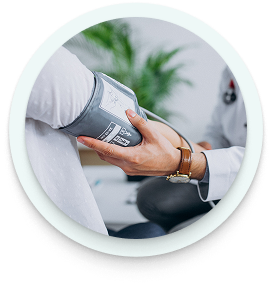
The treatment journey begins with an in-depth medical and psychological assessment. Our clinical team evaluates the nature and severity of the compulsive behaviour, identifies any co-occurring mental health conditions, and develops a detailed understanding of the individual's personal history, trauma background, and emotional patterns. This assessment forms the basis of a personalised treatment plan. A dedicated focal therapist is assigned from day one, providing consistency and therapeutic continuity throughout the programme.
The treatment journey begins with an in-depth medical and psychological assessment. Our clinical team evaluates the nature and severity of the compulsive behaviour, identifies any co-occurring mental health conditions, and develops a detailed understanding of the individual's personal history, trauma background, and emotional patterns. This assessment forms the basis of a personalised treatment plan. A dedicated focal therapist is assigned from day one, providing consistency and therapeutic continuity throughout the programme.

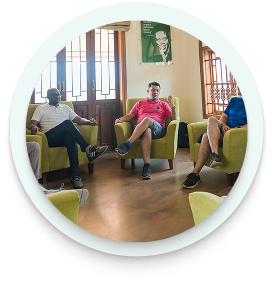
Therapy at Samarpan addresses the psychological roots of compulsive behaviour — exploring the emotional triggers, childhood experiences, trauma, and neurological patterns that sustain it. Clients develop practical coping strategies, emotional regulation skills, and deeper self-awareness through both individual and group therapeutic work. Evidence-based therapeutic approaches delivered at Samarpan include: Cognitive Behavioural Therapy (CBT), Dialectical Behaviour Therapy (DBT), Individual therapy with a dedicated focal therapist, Interpersonal group therapy, Family therapy and education, Trauma-informed psychotherapy, Gorski-CENAPS Relapse Prevention Training, Psycho-educational workshops
Rehabilitation focuses on helping individuals build a stable, fulfilling life free from compulsive behaviour — developing healthy ways to meet the underlying emotional needs that the behaviour was serving, and building resilience against relapse. Personalised recovery planning, Lifestyle and behavioural change strategies, Stress management and emotional regulation, Relapse prevention and trigger identification, Peer support and 12-Step facilitation, Art therapy, yoga, meditation, and wellness programming, Continuing care and post-discharge support
Seeking professional treatment for compulsive sexual behaviour offers significant advantages compared to attempting recovery without support. At Samarpan Recovery, clients benefit from an internationally accredited, evidence-based programme delivered by a team with the clinical depth and human experience to support genuinely transformative recovery.
Medically supervised assessment and, where required, detoxification, Access to India's only CARF-accredited clinical team, Evidence-based therapies delivered by internationally qualified specialists, Personalised treatment plans designed for long-term, sustainable sobriety, A structured, trauma-informed recovery environment, Family involvement and therapeutic support throughout treatment, Comprehensive continuing care and post-discharge follow-up, Significantly lower risk of relapse compared to unassisted recovery attempts
The duration of compulsive sexual behaviour treatment varies according to the severity of the condition, overall health, history of previous treatment, and the individual's progress within the programme. At Samarpan, residential treatment options range from four weeks to thirteen weeks, allowing the programme to be matched to each person's clinical needs.
The therapeutic work required for compulsive sexual behaviour is often deep and multifaceted, particularly when trauma underlies the condition. Longer residential programmes provide the space needed for comprehensive trauma processing, relational therapy, and the development of healthy emotional regulation skills.
Many individuals benefit from longer residential stays, which allow for deeper therapeutic work and a more robust foundation for recovery. Following residential treatment, continuing care is provided through Samarpan Health — the outpatient centre in Mumbai — or online for clients based outside the city.
Ongoing counselling, relapse prevention support, and alumni connection remain important aspects of the recovery journey even after completing the residential programme. Recovery is not an event — it is a continuing process, and Samarpan is committed to walking that journey alongside each individual and their family.
Recovering from compulsive sexual behaviour can feel overwhelming, particularly without the right professional support. Samarpan Recovery provides a level of clinical excellence, human compassion, and programme rigour that is unmatched in India — and internationally recognised through our independent accreditations.
India's only CARF (Commission on Accreditation of Rehabilitation Facilities)-accredited rehabilitation centre — the global gold standard for clinical excellence, The first and only Gorski-CENAPS Centre of Clinical Excellence in Asia, recognising mastery in relapse prevention and trauma-informed care, A multinational clinical team of certified psychiatrists, psychologists, psychotherapists, and complementary therapists trained in the US, UK, and India, A dedicated focal therapist assigned to every client from day one, All-inclusive residential programmes with no hidden costs, Comprehensive continuing care through the Samarpan Health outpatient centre in Mumbai, A serene, purpose-designed residential facility in the Sahyadri Hills, Mulshi, Pune — away from urban triggers and designed entirely around healing
Compulsive sexual behaviour can feel all-consuming — for the person experiencing it and for the family who loves them. But recovery is possible. With the right clinical support, the right environment, and the right team, individuals can break free from the cycle of addiction and rebuild lives of purpose, connection, and lasting wellbeing.
At Samarpan Recovery, we approach every admission with compassion, confidentiality, and a deep commitment to the belief that every life matters and every journey is personal. Our admissions team — which is staffed by therapists, not salespeople — is available to speak with you or your family member without pressure and without obligation.
To speak with our team, call or WhatsApp +91 81809 19090, email admissions@samarpan.in, or visit www.samarpanrecovery.com. Taking the first step is often the hardest — but it is also the most important. We are here when you are ready.

At our de-addiction centre, we treat Compulsive Sexual Behavior Disorder (CSBD) with deep compassion and expertise. Whether it's hypersexual disorder, compulsive masturbation, or related struggles, our goal is to restore balance and control.
If you or a loved one is experiencing Compulsive Sexual Behavior
symptoms, don't wait.



.png)