

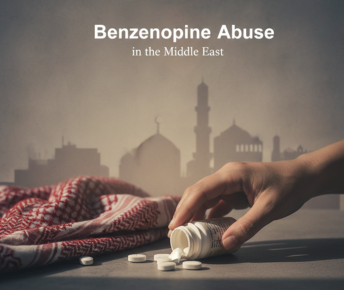



In many parts of the Middle East, benzodiazepines don’t carry the same public image as “hard drugs.” They’re not associated with nightclubs or street corners. They come in blister packs, pharmacy bags, and doctor’s handwriting. They’re prescribed for anxiety, sleep, panic, grief, trauma , and increasingly, they’re being misused in silence.
Benzodiazepine abuse in the Middle East is not loud. It doesn’t announce itself. It hides behind legitimacy, stigma, and the cultural pressure to appear fine even when the nervous system is unraveling.
And that’s exactly why it’s rising.
Why Benzos Took Hold in the Region
To understand rising benzo abuse in the Middle East, you have to look beyond substances and into systems.
Across the Middle East and Gulf countries, mental health care has historically been under-discussed, underfunded, or heavily stigmatized. Anxiety is common, but therapy is still seen by many as unnecessary, indulgent, or shameful. Emotional distress often gets medicalized instead of explored.
So people go to doctors with symptoms like insomnia, panic, chest tightness, restlessness, or emotional overwhelm , and leave with benzodiazepines.
Drugs like Xanax and Valium don’t just calm anxiety. They quiet the body quickly. And in cultures where emotional expression is discouraged and productivity is prized, that quick quiet feels like relief.
This is where anxiety drug abuse in the Middle East begins , not from recklessness, but from survival.
Benzo Misuse in the Middle East
Benzo misuse in the Middle East often doesn’t look like classic addiction. It looks functional. People are working, parenting, showing up , just chemically steadied.
Over time, doses creep up. Prescriptions get extended. Pills get shared between family members. Someone travelling brings back extras. Pharmacies in certain regions dispense without strict monitoring. Eventually, dependence sets in.
In Gulf countries, where high-pressure work environments, expat isolation, and emotional restraint intersect, benzo addiction in Gulf countries has become an increasingly documented concern , especially among professionals, women, and older adults.
Xanax and Valium (The Most Misused Names)
Xanax abuse in the Middle East is particularly common because of its fast onset and short duration. It works quickly, which reinforces reliance. People take it for panic, then for sleep, then “just in case.”
Valium abuse in the Middle East tends to be more chronic. Because it lasts longer in the body, it’s often used daily , and dependence builds quietly.
What’s dangerous is not just the drug itself, but the belief that because it’s prescribed, it’s safe indefinitely.
It isn’t.
What Benzodiazepine Dependence Actually Looks Like
Benzodiazepine dependence is not about craving a high. It’s about the nervous system forgetting how to regulate itself without chemical assistance.
Common benzo addiction symptoms include emotional flattening, memory gaps, irritability, poor concentration, increased anxiety between doses, sleep disruption, and a growing fear of being without the medication.
When people try to stop suddenly, benzo withdrawal symptoms can be severe , tremors, panic attacks, insomnia, derealization, muscle pain, seizures, and in extreme cases, life-threatening complications.
This is why benzodiazepines are among the most dangerous drugs to stop without medical supervision.
Overdose and Mixing Risks
On their own, benzodiazepines rarely cause fatal overdoses. But benzo overdose signs become critical when these drugs are mixed , especially with alcohol, opioids, or other sedatives.
Mixing depressants compounds their effect on breathing and consciousness. In regions where alcohol use is hidden but present, this combination becomes particularly dangerous.
This is a major concern in prescription drug abuse in the Middle East, where multiple medications are sometimes used without coordinated medical oversight.
Smuggling and Access
Another layer to this issue is benzo smuggling in the Middle East. Benzodiazepines move across borders through informal networks , from Europe, South Asia, and neighboring regions , often to bypass prescription limits or reduce cost.
This unregulated access increases risk dramatically: inconsistent dosing, counterfeit pills, and lack of medical supervision all contribute to rising harm.
The result is a growing overlap between medical misuse and illicit supply , blurring the line between treatment and addiction.
Why Sedative Misuse Persists
Sedative misuse in the Middle East thrives in environments where emotional pain is privatized. Many people would rather take a pill than admit they’re struggling. Benzodiazepines become emotional silencers , tools for functioning rather than healing.
This is not a moral failure. It’s a structural one.
Without accessible therapy, trauma-informed care, or safe conversations about mental health, medication becomes the only language distress is allowed to speak.
Treatment in the Middle East ( What Actually Works )
Effective benzo addiction treatment in the Middle East requires a careful, medically supervised approach. Abrupt cessation is dangerous. Treatment focuses on gradual tapering, nervous system stabilization, and psychological support.
The most effective programs combine:
- slow, structured dose reduction
- psychiatric supervision
- therapy for anxiety, trauma, or sleep disorders
- relapse prevention planning
- education for families
Some private centers across the UAE, Lebanon, Jordan, and parts of the Gulf now offer specialized protocols for benzodiazepine dependence , a critical shift in regional care.
Recovery is not about removing the drug alone. It’s about teaching the nervous system how to feel safe again.
Why This Conversation Matters Now
Rising benzo abuse in the Middle East is not a fringe issue. It reflects deeper realities: untreated anxiety, cultural silence, performance pressure, and limited mental health literacy.
If we keep framing benzodiazepines as “harmless prescriptions,” we miss the human cost of long-term dependence. Awareness doesn’t increase misuse , it prevents it.
The goal is not fear.
The goal is informed, compassionate care.
Frequently Asked Questions
-
How common is benzodiazepine abuse in the Middle East?
While exact data varies by country, research and clinical reports show a steady rise in misuse and dependence, especially in urban and high-pressure environments.
-
Why are drugs like Xanax and Valium misused in the region?
Because they offer fast relief for anxiety and insomnia in cultures where emotional distress is often unspoken and therapy access is limited.
-
What signs show someone may be dependent on benzodiazepines?
Needing higher doses, anxiety between doses, memory issues, emotional numbness, sleep problems, and fear of stopping are key indicators.
-
How dangerous is mixing benzodiazepines with alcohol or other drugs?
Extremely dangerous. Mixing depressants increases the risk of respiratory failure, unconsciousness, and death.
-
Where can people get treatment for benzodiazepine addiction in the Middle East?
Specialized private clinics and addiction centers in countries like the UAE, Lebanon, and Jordan offer medically supervised tapering and therapy-based recovery programs.
How Can Samarpan Help?
At Samarpan Recovery Centre, we’ve seen first-hand how benzodiazepine misuse has quietly become a growing concern across the Middle East. Medications like Xanax, Valium, and other anti-anxiety prescriptions often start out as legitimate solutions for stress, sleep issues, or panic—but over time, they can slip into dependence without people even realising it.
Many of the individuals who come to us aren’t “drug users” in the way society imagines; they’re professionals, parents, students…people who were simply trying to cope and ended up stuck.
What makes benzodiazepine recovery especially tricky is that it’s not just about stopping the medication. It’s about understanding why it became necessary in the first place.
At Samarpan, treatment goes far beyond detox. We work closely with clients using evidence-based therapies like CBT to untangle anxious thought patterns, DBT to build emotional regulation and distress tolerance, and trauma-informed therapy for those whose dependence is rooted in long-standing stress or unresolved experiences.
Recovery here is slow, supported, and deeply human. No shame. No rushing. Just the space to learn healthier ways to cope, feel safe in your body again, and rebuild confidence without relying on pills to get through the day.