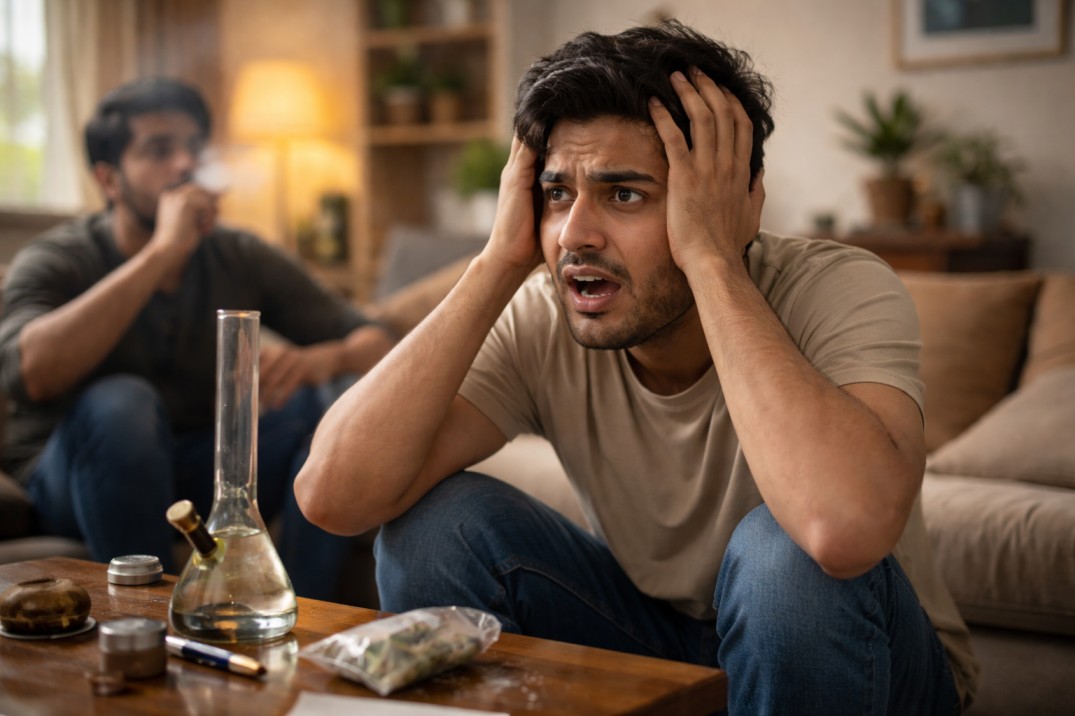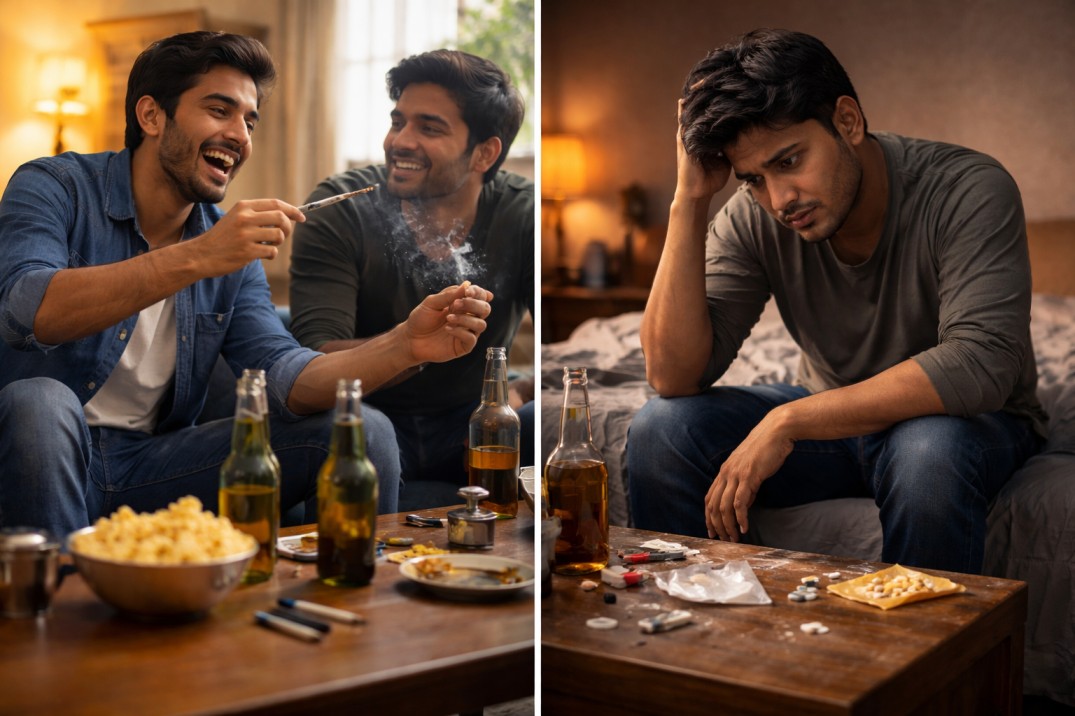





Let’s start with honesty instead of pretending this isn’t happening.
Ecstasy use at festivals is common across the EU, US, and Australia. That’s not an endorsement. It’s an observable fact. Every large-scale music event has people using MDMA, whether organisers like it or not. The real question isn’t “why don’t people just not use?”, the question is what keeps people alive when thousands of bodies, heat, music, exhaustion, and unknown substances collide.
This is where ecstasy safety protocols matter.
Not because MDMA is “safe.”
But because ignoring reality makes festivals more dangerous, not less.
Why MDMA Fits Festival Culture So Easily
There’s a reason mdma festival use keeps showing up in the same settings.
MDMA increases sociability, emotional openness, stamina, and sensory intensity. That combination aligns almost perfectly with what people expect from festivals, long hours, loud music, shared experience, and emotional connection. That’s why party drug MDMA has stayed embedded in rave and EDM culture for decades.
In Europe especially, rave drug use Europe has a long history tied to electronic music scenes. In the US and Australia, similar patterns exist across large EDM and multi-day festivals. Once a substance becomes culturally “expected,” people underestimate risk, especially when friends are using it without immediate consequences.
That normalisation is where things get risky.
What Actually Makes Festivals Dangerous for MDMA Users
Most MDMA-related emergencies don’t happen because someone took “too much” in isolation. They happen because of context.
Crowds trap heat.
Dancing for hours raises body temperature.
Sleep deprivation lowers judgment.
Unknown pill strength adds unpredictability.
This is why ecstasy risks at festivals are different from MDMA use in other settings. The environment amplifies every risk factor.
Two dangers dominate medical incidents:
Overheating
MDMA interferes with the body’s ability to regulate temperature. Combine that with physical exertion and hot weather, and body temperature can rise quickly. People often don’t notice how hot they are until they’re already in trouble.
Overhydration
This surprises people. In response to overheating warnings, some users drink excessive amounts of water. MDMA affects fluid balance, and too much water without electrolytes can dilute sodium levels. That can cause seizures, brain swelling, and collapse.
This is why mdma hydration risks aren’t solved by “drink more water.” Balance matters.
What “Festival Safety Protocols” Actually Look Like
When people hear edm festival drug safety, they often imagine sniffer dogs and confiscation. That approach alone doesn’t reduce medical emergencies.
Effective safety protocols focus on early intervention, not punishment.
-
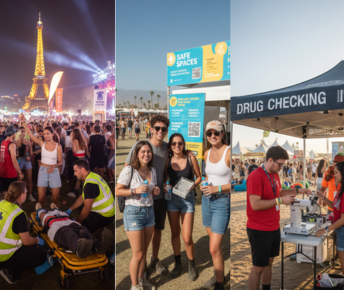
Visible medical access
Medical tents should be easy to find and staffed with people trained specifically in stimulant-related emergencies. When help is visible, people seek it earlier.
-
Chill and welfare spaces
Quiet, shaded areas where overwhelmed attendees can sit, cool down, and be monitored reduce escalation. These spaces matter more than people realise.
-
Staff trained to spot early warning signs
Security and volunteers should know the difference between someone who’s tired and someone showing mdma emergency signs.
-
Clear messaging
Good festivals repeat the same message: If something feels wrong, get help immediately. You won’t be punished for it.
That message alone saves lives.
Drug Checking and the Reality of Uncertainty
People ask about mdma testing kits because pill content is unpredictable. Pills sold as MDMA may contain other stimulants, synthetic compounds, or unusually high doses.
Drug checking doesn’t make MDMA safe. It reduces one specific risk: not knowing what’s in the pill at all. That’s why mdma harm reduction conversations include testing, but never treat it as a guarantee.
Testing reduces uncertainty.
It does not remove danger.
That distinction matters.
How Friends Actually Spot Trouble Early
This is where peer awareness becomes critical. Most MDMA emergencies are not sudden collapses, they’re gradual deterioration.
Watch for ecstasy misuse symptoms like:
- Confusion or disorientation
- Panic or agitation that escalates instead of settling
- Extremely hot skin or lack of sweating
- Repeated vomiting
- Slurred or incoherent speech
- Sudden fatigue or collapse
These are ecstasy overdose signs, and they’re not something to “wait out.”
If someone looks wrong, don’t try to manage it quietly. Get staff. Fast action prevents severe outcomes.
Why Festival Policies Differ by Region
In Europe, festival culture has historically leaned toward welfare-first approaches. That’s why festival drug policy Europe discussions often include harm reduction services alongside enforcement.
In the US, legal liability makes organisers more cautious. Harm reduction exists, but it’s less visible and varies widely between events.
Australia has moved toward formalised harm reduction trials, particularly around pill testing and medical response. This reflects a broader shift: acknowledging that ignoring MDMA use doesn’t make festivals safer.
Different regions, same underlying goal: fewer medical emergencies, fewer deaths.
Where People Should Go for Help On-Site
This needs to be said plainly.
Friends are not medical professionals.
Waiting for symptoms to pass is dangerous.
If something feels off:
- Go to medical tents
- Alert staff or volunteers
- Use welfare or chill spaces
- Ask for help early, not late
Festivals design these systems for a reason. Use them.
Why This Conversation Needs to Stay Grounded
Talking about safe ecstasy use often gets misunderstood. No one is saying MDMA is harmless. The point is that people are using it, and pretending otherwise increases risk.
Harm reduction doesn’t encourage use.
It reduces preventable deaths.
And festivals are one of the few environments where large-scale safety planning can actually make a measurable difference.
FAQs
-
Why is ecstasy use so common at major festivals in the EU, US, and Australia?
Because MDMA’s effects align with music, social bonding, and stamina, and group norms reinforce its presence in festival culture.
-
What festival rules or checks help reduce MDMA-related risks for attendees?
Visible medical teams, welfare spaces, trained staff, clear escalation protocols, and non-punitive help-seeking policies.
-
How do friends spot early signs that someone’s reacting badly to ecstasy?
Look for confusion, overheating, agitation, vomiting, collapse, or worsening symptoms rather than improvement.
-
What health risks are linked to MDMA use in crowded or high-heat festival settings?
Overheating, dangerous electrolyte imbalance from overhydration, cardiovascular strain, and delayed medical response.
-
Where can festival-goers get medical help or harm-reduction support on-site?
Medical tents, welfare areas, roaming medics, and trained festival staff should always be the first stop.
How can Samarpan help?
At Samarpan Recovery Centre, we understand that ecstasy use at festivals often gets framed as “just part of the scene,” but the risks are real and the outcomes can be unpredictable, especially when pills are adulterated or combined with alcohol and other stimulants.
If someone is using MDMA in the EU, US, or Australia, the most important safety protocols include avoiding mixing substances, staying hydrated without overhydrating (sip water and include electrolytes), taking cooling breaks to prevent overheating, never using alone, and treating any sudden confusion, collapse, chest pain, seizures, or extreme overheating as a medical emergency.
It also matters to test substances where legal drug-checking exists, start low, avoid re-dosing, and plan recovery time after because mood crashes can mimic depression symptoms, anxiety symptoms, and even trigger a depressive episode in vulnerable people.
At Samarpan, we help clients move beyond harm reduction into real recovery when use becomes addiction or starts affecting relationships, work, or mental stability. Our team provides medically supervised detox when needed, therapy that targets triggers and compulsive patterns, and deeper trauma work for clients with histories that increase risk, including those with a personality disorder or needing a structured trauma center level of care.
Alongside treatment, we focus on mental health awareness for families too, because early support can prevent experimentation from turning into a long-term cycle.