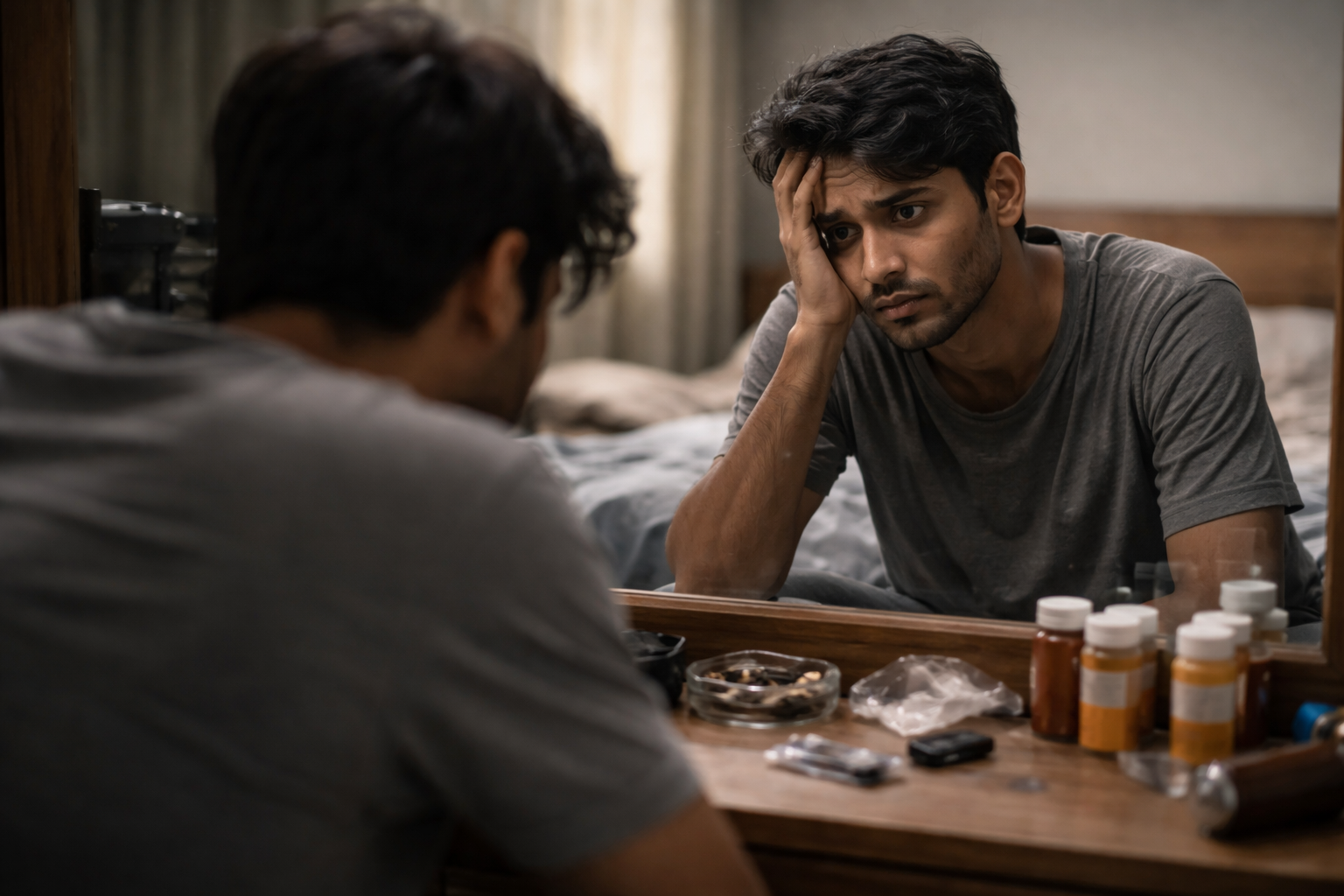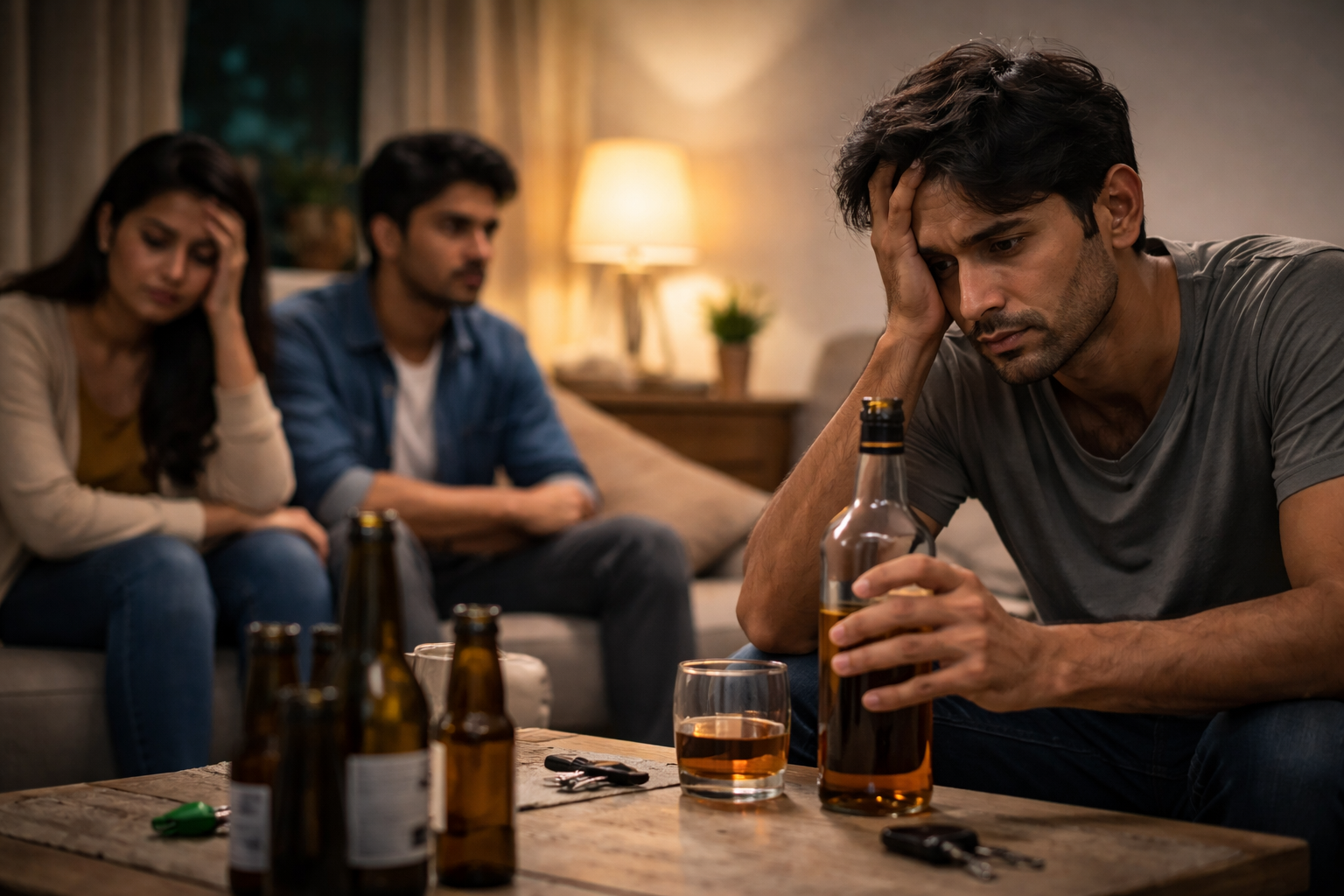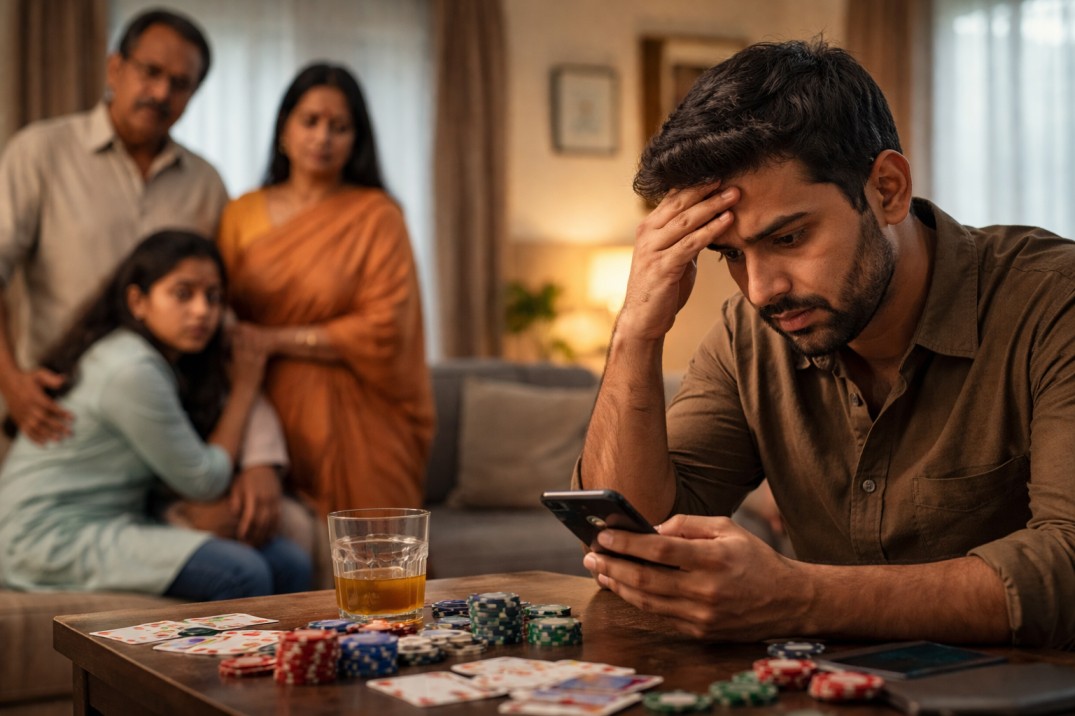



If you're searching for addiction treatment in Dubai, you've probably already discovered how complicated the landscape can be. The legal environment, the social stigma, the limited availability of comprehensive residential care, it can all feel like the system is working against you at the very moment you need clarity most.
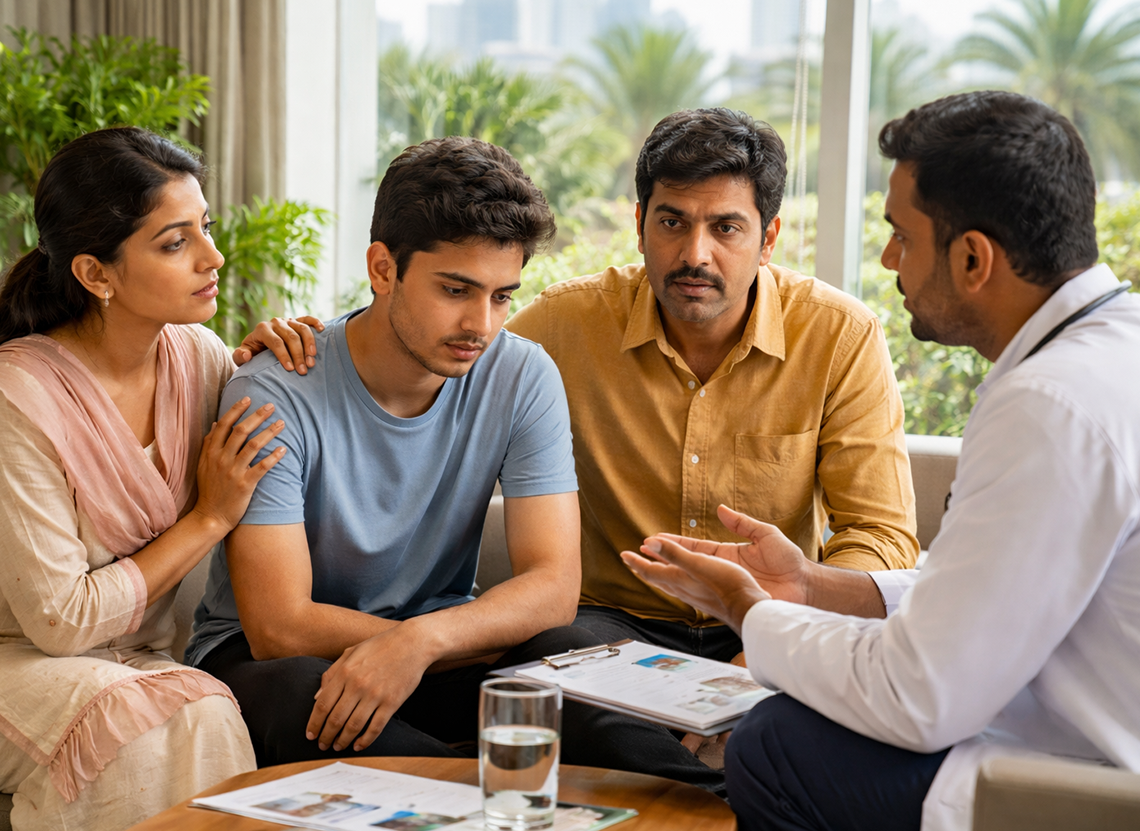
This guide is written for you: the person quietly struggling, the spouse or parent searching at 2am, the friend who doesn't know how to help. Wherever you are in this journey, the most important thing to know is that the right help exists and that recovery is more than possible.
Understanding Addiction in Dubai and the UAE
The UAE, including Dubai, has some of the region's most progressive approaches to treating addiction as a health issue rather than purely a criminal one. Under current law, individuals who voluntarily seek treatment or are referred by a family member are generally protected from criminal prosecution. This is an important development, though stigma and fear still prevent many people from coming forward.
Alcohol is legally permitted in Dubai for non-Muslim residents and tourists in licensed venues, which creates a unique dynamic: alcohol use is normalized in social and professional settings, making it easier for dependence to develop quietly and harder for individuals to recognise when casual use has become a serious problem.
Drug use carries severe penalties in Dubai. While reforms have offered first-time offenders a pathway to treatment rather than imprisonment, the fear of consequences means many individuals delay seeking help often until the situation becomes a crisis.
The Hidden Scale of Addiction in Dubai
The expatriate-heavy population of Dubai, the high-pressure professional environment, and the social isolation that many residents experience contribute to rates of substance use that are rarely discussed openly. The disconnect between public perception and private reality makes it essential for families and individuals to know that they are far from alone.
What Are the Addiction Treatment Options in Dubai?
Dubai has made genuine progress in developing addiction treatment services. The Erada Center, operated in partnership with the Dubai Health Authority, offers outpatient services including counselling, psychological support, and short-term detoxification. Several private clinics and wellness centers also offer therapy and outpatient support.
However, a widely recognised gap remains in the availability of comprehensive residential treatment. Most facilities in Dubai focus on outpatient care or short-term stays, and residential options with the clinical depth and duration required for moderate to severe addiction are limited. As a result, a significant number of Dubai residents — including both nationals and expatriates — choose to travel internationally for residential treatment.
Residential vs. Outpatient Treatment: What's the Difference?
Outpatient treatment allows individuals to continue living at home while attending therapy sessions. For mild addiction or as a follow-up to residential care, this can be highly effective.
Residential treatment means living at the facility for the duration of the programme- typically 28 to 90 days. This immersive format removes individuals from triggering environments, provides 24/7 clinical and emotional support, and allows intensive therapeutic work including trauma processing that simply cannot be replicated in weekly outpatient appointments.
For moderate to severe addiction, especially where there are co-occurring mental health conditions, residential treatment consistently delivers better outcomes. The investment is greater in time, commitment, and cost but so is the return.
What Does Effective Addiction Treatment Look Like?
Quality addiction treatment is not a single intervention. It is a carefully structured, personalised process that addresses the addiction itself, its psychological and emotional roots, and the conditions needed for long-term recovery.
Evidence-Based Therapies
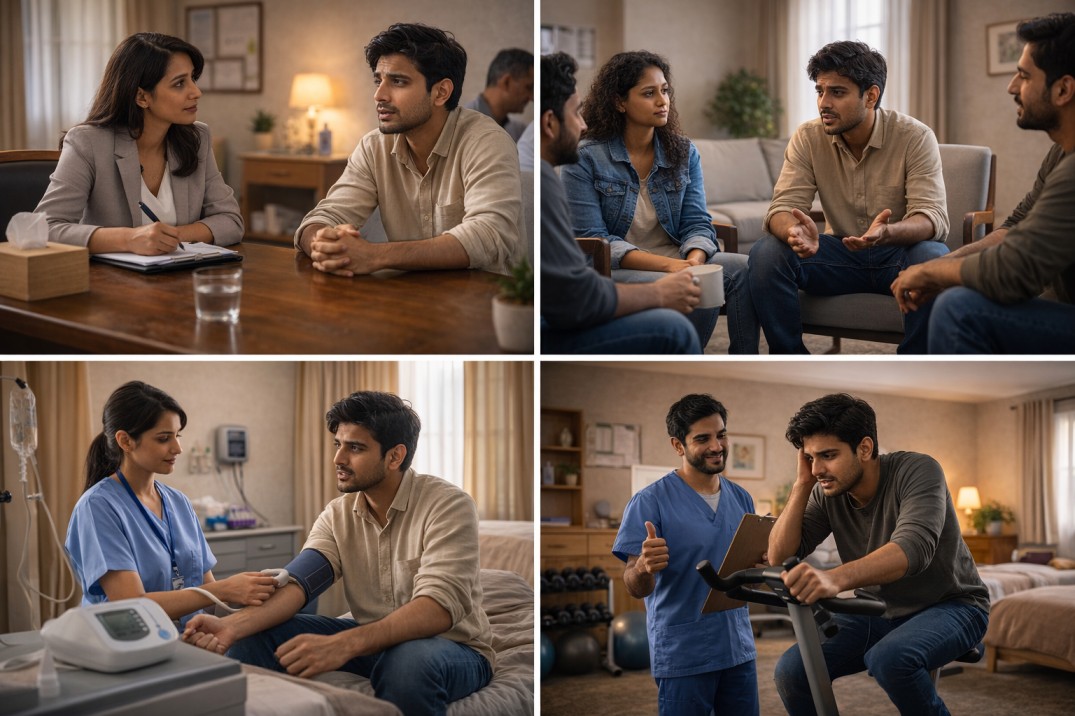
Any credible addiction treatment programme should include established therapeutic approaches such as Cognitive Behavioural Therapy (CBT), which helps individuals identify and change thought patterns that drive addictive behaviour, and Dialectical Behaviour Therapy (DBT), which builds emotional regulation and distress tolerance skills. Individual therapy, interpersonal group therapy, and psycho-educational sessions round out the clinical core of effective treatment.
Medically Supervised Detoxification
For many substance use disorders, safe medical detoxification under 24/7 nursing supervision is the necessary first step. Withdrawal from alcohol, benzodiazepines, and opioids in particular carries medical risks and should never be attempted without clinical oversight.
Dual Diagnosis Treatment
Research consistently shows that the majority of individuals with addiction also carry co-occurring mental health conditions — depression, anxiety, PTSD, or personality disorders. Treatment that addresses only the addiction, without working with these underlying conditions, leaves the most important drivers of substance use unresolved. Dual diagnosis capability the ability to assess and treat addiction and mental health simultaneously is a critical quality marker.
Trauma-Informed Care
The connection between unresolved trauma and addiction is well established. Trauma-informed care means that the entire treatment environment from the way clinical staff communicate to the structure of therapy sessions is built around safety, trust, and the careful, skilled processing of trauma. This approach produces meaningfully better outcomes than standard clinical care alone.
Family Therapy and Continuing Care
Addiction is a family illness. Effective treatment actively includes loved ones through structured family therapy and education. And effective programmes don't end at discharge, they provide genuine continuing care, including follow-up therapy, relapse prevention support, and alumni community, because the months immediately following residential treatment are often the highest-risk period.
Why Many Dubai Residents Choose to Travel for Rehab
The decision to seek treatment internationally is more common than many people realise, and it is driven by sound practical and clinical reasoning.
Privacy is the first concern for many: in a city where professional and social networks are tightly interconnected, complete confidentiality is not always achievable through local facilities. Travelling internationally for treatment offers the freedom to focus entirely on recovery, without the anxiety of being recognised.
Clinical depth is the second driver. As noted above, Dubai's residential treatment infrastructure, while growing, does not yet match the standards available at internationally accredited facilities. For those with moderate to severe addiction, or with dual diagnosis needs, the quality gap is significant.
A third factor is the therapeutic value of a completely new environment. Stepping out of familiar surroundings, the places, the people, the routines associated with substance use and entering a structured, healing environment accelerates the psychological work of recovery in ways that are well documented in clinical literature.
Samarpan Recovery: The Choice for Dubai Residents Seeking World-Class Care
For residents of Dubai and the UAE seeking residential addiction treatment that matches or exceeds the best available globally, Samarpan Recovery has established itself as the leading choice in Asia.
Located in the Sahyadri Hills of Mulshi, just outside Pune, India, Samarpan is India's only internationally CARF-accredited residential rehabilitation center for Substance Use Disorders. CARF accreditation — one of the most rigorous quality marks in the global rehabilitation sector — means that Samarpan's clinical standards, ethical practices, and treatment outcomes have been independently verified against international benchmarks.
A Programme Built for Lasting Recovery
Samarpan's integrated treatment model brings together everything that evidence supports as most effective. The clinical core includes individual therapy, interpersonal group therapy, Cognitive Behavioural Therapy (CBT), Dialectical Behaviour Therapy (DBT), psycho-education, psychiatric consultation, and the GORSKI-CENAPS structured relapse prevention programme.
This clinical foundation is complemented by additional therapies including yoga, meditation, art therapy, physical fitness training, and wellness programming — creating a truly holistic experience that heals the body and mind alongside the soul.
Dual diagnosis is integrated into the standard treatment model, not offered as an optional add-on. Samarpan's multidisciplinary team — psychiatrists, clinical psychologists, internationally trained therapists, and wellness specialists — assess and treat co-occurring mental health conditions as a core part of every personalised treatment plan.
A Boutique Environment Designed for Deep Healing
Samarpan enables genuinely personalized care, real therapeutic community, and absolute privacy. The residential accommodation is comfortable and thoughtfully designed, set within serene natural surroundings that create the calm, safe container that deep healing requires.
Programmes run from five to thirteen weeks, and every treatment plan is built around the individual's specific needs, history, and goals, not a one-size-fits-all schedule.
Supporting Families Through the Process
Samarpan's family therapy programme is a genuine clinical offering, not an afterthought. Structured sessions help families understand addiction as a condition, rebuild communication and trust, and develop the healthy support patterns that are essential to sustained recovery. Families are partners in the healing process, not bystanders.
Care That Continues After Discharge
Samarpan's continuing care programme provides post-discharge virtual therapy sessions, follow-up with each client's focal counsellor, relapse prevention support, and a connected alumni community. The transition back to daily life in Dubai with all its familiar pressures and triggers is prepared for and supported, not left to chance.
Getting to Samarpan from Dubai
Pune and Mumbai are well served by direct and connecting flights from Dubai, with travel times of approximately three to four hours. Samarpan's admissions team conducts a thorough pre-arrival assessment by phone or video, ensuring that every client arrives with a personalized treatment plan already in place. From the very first contact, the process is handled with complete confidentiality.
Frequently Asked Questions About Rehab in Dubai
-
Is it legal for Dubai residents to seek addiction treatment abroad?
Yes. Voluntarily seeking addiction treatment internationally is entirely within personal choice and is not subject to UAE legal restrictions. Many Dubai residents and expatriates choose international residential programmes each year. The process is private and confidential.
-
How do I know if someone needs residential rehab rather than outpatient support?
As a general guide, residential treatment is recommended when addiction is moderate to severe, when previous outpatient attempts have not sustained recovery, when there are co-occurring mental health conditions, or when the home environment is heavily associated with substance use. A professional pre-admission assessment will guide the right level of care.
-
What is the GORSKI-CENAPS relapse prevention model?
Developed by Terence Gorski in partnership with the CENAPS Corporation, this is one of the most researched and respected structured relapse prevention frameworks in addiction treatment. It helps clients identify their personal relapse warning signs, build coping strategies for high-risk situations, and create a detailed, actionable plan for maintaining sobriety. Samarpan is a GORSKI-CENAPS Centre of Excellence.
-
Can my family communicate with me during treatment?
Yes, with appropriate clinical guidance. Most quality programmes build structured family contact into the treatment schedule, recognising that healthy family connection supports recovery. Samarpan includes family sessions as part of the core programme.
-
What conditions does Samarpan treat?
Samarpan specialises in substance use disorders (alcohol, prescription drugs, illicit drugs), process addictions, dual diagnosis (addiction with co-occurring depression, anxiety, trauma, or personality disorders), and complex cases requiring psychiatric support alongside addiction treatment.
-
What makes Samarpan different from other international rehabs?
Several things set Samarpan apart: CARF accreditation as India's only certified residential centre for Substance Use Disorders; the deliberately small capacity of 26 clients for genuinely personalised care; the GORSKI-CENAPS structured relapse prevention programme; fully integrated dual diagnosis treatment; and robust continuing care post-discharge. The serene natural setting in the Sahyadri Hills provides the healing environment that recovery deserves.
-
How much does treatment at Samarpan cost compared to Dubai?
Samarpan offers internationally accredited, premium residential treatment at a significantly lower cost than comparable facilities in Europe, Australia, or the United States and at a competitive price point relative to Dubai-based private options. The clinical quality, however, meets or exceeds what is available in any of those locations. Pricing details and programme options can be discussed directly with Samarpan's admissions team.
Conclusion: The First Step Is the Hardest; And the Most Important
If you are reading this in Dubai, you are already doing something brave. You are looking for answers. You are refusing to accept that this is simply how things have to be.
Addiction takes a great deal from people- time, relationships, health, self-belief. But it does not have to define the future. With the right clinical care, the right environment, and the right support, recovery is not just possible, it happens every day, for people in exactly the situation you or your loved one is in now.
The next step doesn't require certainty. It just requires a phone call.
To speak with Samarpan Recovery's admissions team in complete confidence, call +91 81809 19090 or visit samarpanrecovery.com. Recovery is possible. You don't have to figure this out alone.