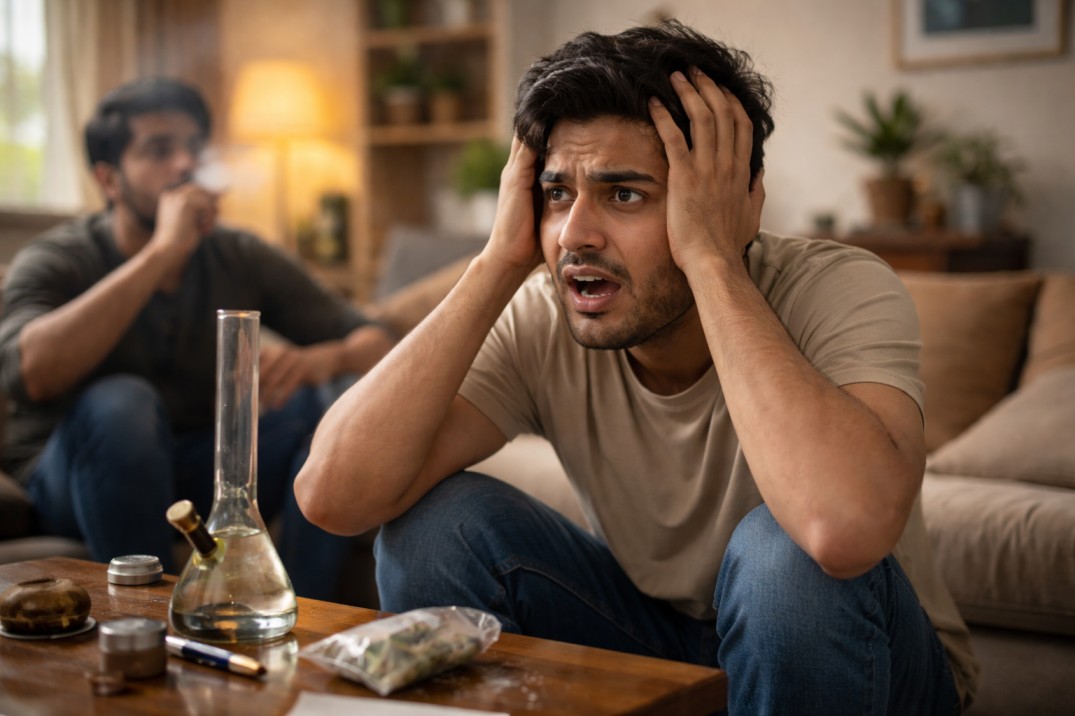






California is home to hundreds of rehabilitation centers, from beachside wellness retreats in Malibu to clinical programs in Los Angeles and San Francisco. If you're searching for the best rehab in California, the sheer number of options can feel overwhelming, especially when you're already emotionally distressed.
The truth is: more options don’t automatically mean better outcomes. What matters isn’t geography or aesthetics, it's clinical depth, the right therapeutic approach, and a program that treats the whole person. This guide cuts through the noise and helps you understand what to look for and why a growing number of California families are finding exceptional results through world-class residential treatment abroad.
Why Addiction Treatment in California Is So Complex
California has one of the highest concentrations of addiction treatment facilities in the United States and also one of the least regulated. The “rehab industry” in California has faced significant scrutiny over practices like patient brokering, inadequate clinical standards, and programs that prioritize aesthetics over substance.
This isn’t to say quality care doesn’t exist in California. But families need to look carefully beyond the branding, beautiful settings, and marketing language. The right questions to ask any rehab in California (or anywhere else) are about clinical credentials, therapy models, dual diagnosis capability, staff-to-client ratios, and aftercare structure.
What Makes a Rehab Program Genuinely Effective?
1. Evidence-Based Therapy at the Core
Cognitive Behavioral Therapy (CBT), Dialectical Behavior Therapy (DBT), trauma-focused therapies, and motivational interviewing have strong clinical evidence behind them. Any credible program should be built on these foundations not on trendy wellness activities that, while enjoyable, don’t address root causes.
2. Trauma-Informed Care
Addiction and trauma are deeply connected. Many people who develop problematic substance use are managing the long-term effects of trauma, whether that’s childhood adversity, relationship trauma, grief, or chronic stress. A trauma-informed program doesn’t just treat the behavior; it creates safety and supports healing at a deeper level.
3. Dual Diagnosis Treatment
Depression, anxiety, PTSD, bipolar disorder, and ADHD frequently co-occur with addiction. Treating only the substance use while leaving underlying mental health conditions unaddressed is one of the most common reasons for relapse. The best rehab programs assess and treat both simultaneously.
4. Aftercare and Relapse Prevention
What happens after residential treatment ends is just as important as what happens during it. Programs that invest in structured aftercare, relapse prevention planning, ongoing therapy, alumni support, and family guidance produce significantly better long-term outcomes.
Signs That Residential Rehabilitation Is the Right Step
1. Previous Attempts to Stop Have Not Led to Lasting Change
Repeated efforts to quit whether independently or through outpatient programs may show strong motivation, but they can also indicate that a higher level of care is needed. If relapse continues despite counseling or structured sessions, residential rehabilitation provides 24/7 support, clinical supervision, and a distraction-free setting that strengthens accountability and long-term recovery foundations.
2. Withdrawal Symptoms Require Medical Supervision
Certain substances, particularly alcohol, benzodiazepines, and opioids, can cause severe or dangerous withdrawal symptoms. These may include seizures, intense anxiety, heart complications, dehydration, or extreme cravings. Residential rehabilitation offers medically supervised detox to ensure safety, symptom management, and a stable transition into treatment.
3. Co-Occurring Mental Health Conditions Are Present Alongside Addiction
Addiction often develops alongside depression, anxiety disorders, PTSD, bipolar disorder, or other psychiatric concerns. Treating substance use without addressing underlying mental health conditions significantly increases the risk of relapse. Residential rehabilitation programs provide integrated dual-diagnosis care, combining therapy, psychiatric support, and medication management when appropriate.
4. Trauma History Has Never Been Therapeutically Addressed
Unresolved trauma frequently contributes to addictive behaviors. Without structured, trauma-informed therapy, emotional pain may continue to drive substance use as a coping mechanism. Residential settings create a safe and consistent therapeutic environment where evidence-based approaches such as CBT, EMDR, or trauma-focused counseling can support deep emotional healing.
5. The Home Environment Is Not Stable Enough to Support Early Recovery
Early recovery requires structure, safety, and reduced exposure to triggers. If the home environment includes ongoing conflict, substance access, unstable housing, or enabling relationships, progress can be undermined. Residential rehabilitation provides a protected, structured setting that removes external pressures and allows individuals to focus fully on recovery.
6. Health, Relationships, or Professional Functioning Have Been Significantly Affected
Addiction often impacts physical health, family dynamics, friendships, and career stability. Declining well-being, strained relationships, financial stress, or job loss may indicate that the condition has progressed beyond outpatient support. Residential rehabilitation offers intensive care, life-skills development, family involvement, and holistic treatment to rebuild stability across personal and professional domains.
Why Samarpan Recovery Is Trusted by Families Across the US
1. A Program Built on Clinical Depth
Samarpan’s treatment model integrates psychiatric assessment, individual therapy, group therapy, CBT, DBT, trauma-focused approaches, mindfulness, family therapy, and holistic healing into a cohesive, customized program. Each individual’s plan is developed from a comprehensive assessment and reviewed regularly as treatment progresses.
2. Dual Diagnosis as a Core Specialism
Co-occurring mental health conditions are central to Samarpan’s clinical model not an afterthought. The team includes experienced psychiatrists who assess thoroughly, monitor continuously, and integrate mental health treatment as a core component of every program.
3. Trauma-Informed Throughout
The entire culture and structure of Samarpan is built on trauma-informed principles from how the clinical team communicates, to the design of the therapeutic program, to the physical environment. For individuals whose addiction is rooted in unresolved trauma, this is not a minor detail. It is the difference between symptom management and genuine healing.
4. A Healing Environment
Samarpan is set in a serene, nature-based environment far from the overstimulation of urban life. This is not a luxury feature it is a clinical asset. A calm, beautiful setting supports nervous system regulation, genuine psychological rest, and the depth of reflection that recovery requires.
5. Exceptional Value
A comprehensive residential program at Samarpan costs a fraction of comparable private rehab in California. This is not a reflection of lower standards; it reflects the operational economics of India while maintaining international clinical quality. Many American families find that Samarpan offers more clinical services than the California options they explored.
6. Family-Centered Care
Samarpan actively involves families through therapy, education, and ongoing communication because lasting recovery happens within relationships, not in isolation.
7. Structured Aftercare
Samarpan’s commitment to recovery continues well beyond discharge through structured aftercare, relapse prevention planning, alumni connection, and ongoing family support.
Conclusion
Finding the best rehab in California or anywhere is really about finding a program with the clinical depth, the right therapeutic approach, and the infrastructure to support genuine, lasting recovery. In an industry where marketing often outpaces substance, that requires careful evaluation.
For a growing number of California families, Samarpan Recovery in India has become the answer to a world-class residential program that combines clinical excellence with a healing environment and genuine compassion, at a cost that makes thorough treatment truly accessible.
If you or someone you love is ready to take the first step, speaking with a professional can open the door to a very different future. Recovery is possible and the right support makes all the difference.
Frequently Asked Questions
-
Is it safe to travel from California to India for rehab?
Yes. Samarpan has extensive experience welcoming individuals from the US, including California. The team provides comprehensive pre-arrival guidance, and families receive regular communication throughout treatment.
-
How does Samarpan compare to luxury rehabs in Malibu?
Samarpan offers a more clinically rigorous program, a more therapeutic environment, and a higher level of individual attention than most California luxury rehabs at a significantly lower cost. The therapeutic depth, particularly around trauma and dual diagnosis, is a key differentiator.
-
How long should residential treatment last?
Effective residential treatment requires a minimum of 28 days. For complex cases, including dual diagnosis and long-term addiction, 60–90 days or more is often more appropriate. The clinical team provides an individualized recommendation during assessment.
-
Does Samarpan treat dual diagnosis?
Yes. Dual diagnosis treatment addressing addiction and co-occurring mental health conditions simultaneously is central to Samarpan’s model and one of its primary specializations.
-
What does aftercare look like?
Aftercare at Samarpan includes structured relapse prevention planning, ongoing therapeutic support, alumni community access, and family guidance providing continuity through the critical transition from residential treatment to everyday life.
-
What therapies does Samarpan use?
The program integrates CBT, DBT, trauma-focused therapies, motivational interviewing, mindfulness, group therapy, family therapy, and holistic approaches all delivered by a qualified, experienced clinical team.
-
Can families be involved during treatment?
Family involvement is a core part of the Samarpan model. Family therapy, regular updates, and ongoing education ensure families are supported and actively involved throughout treatment.