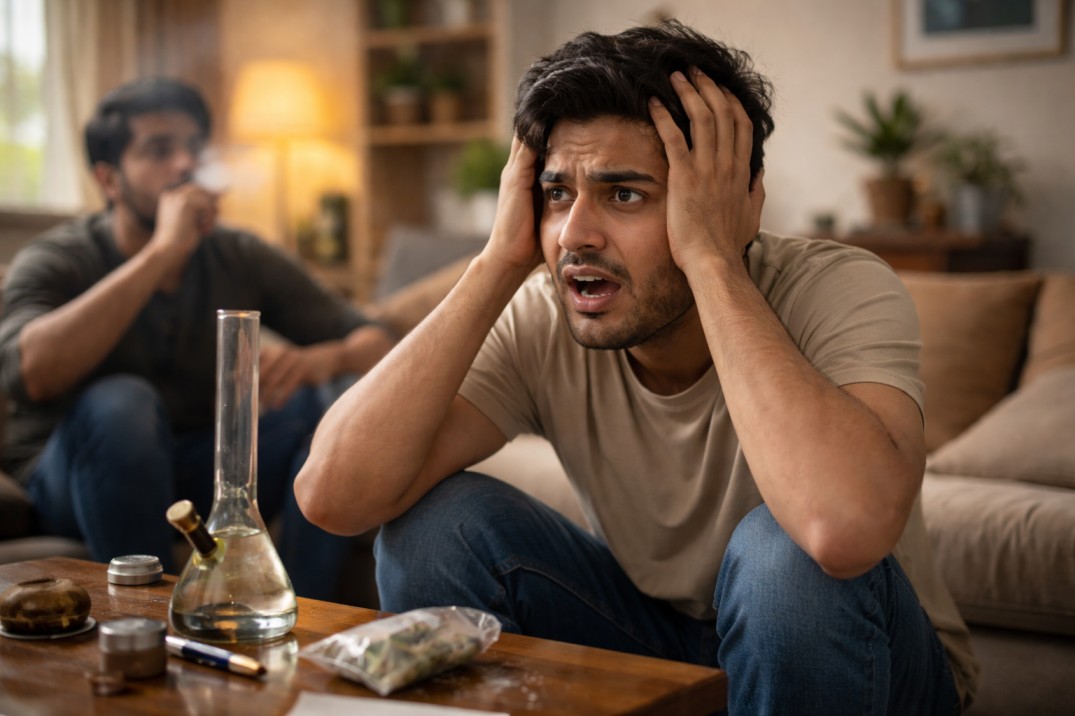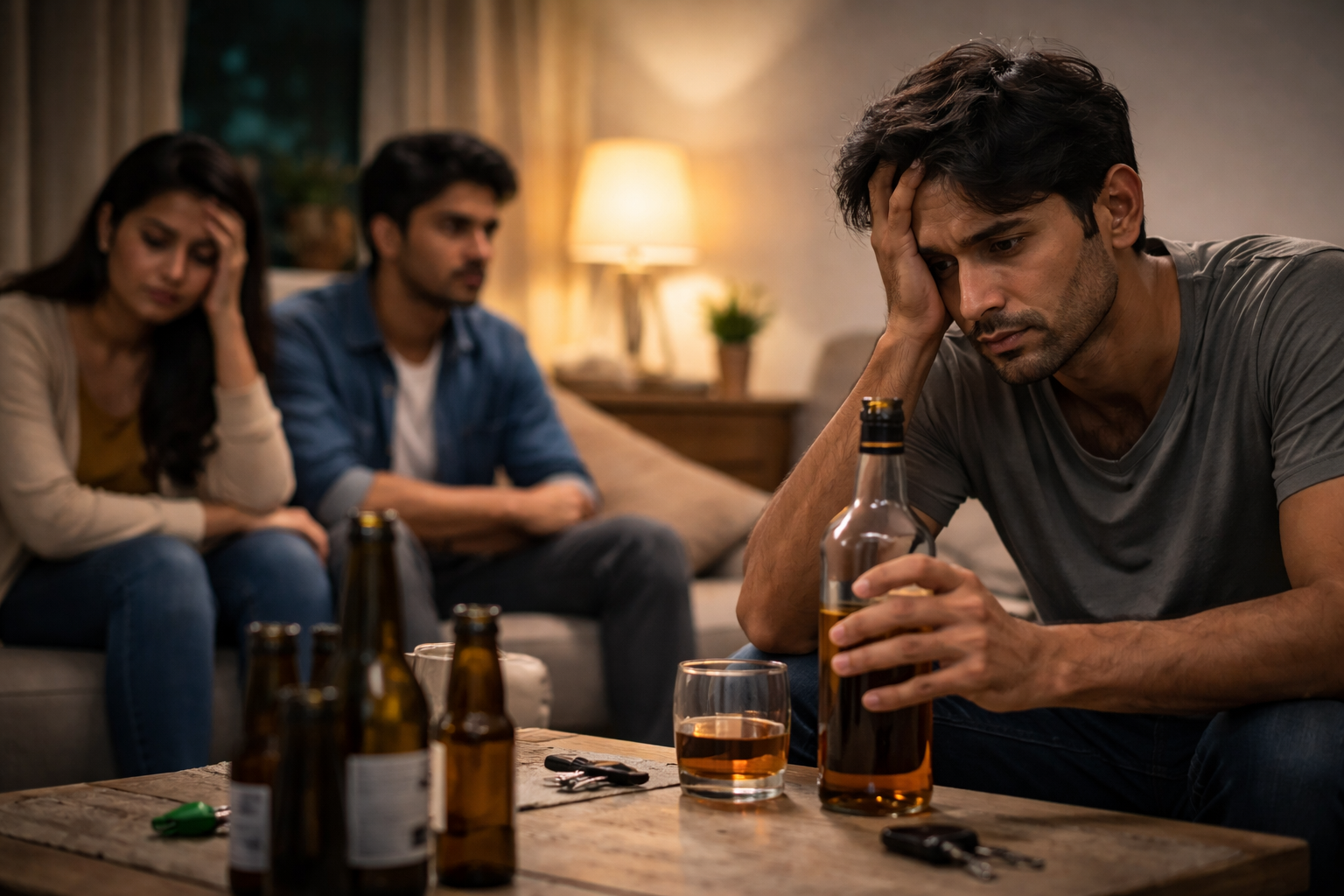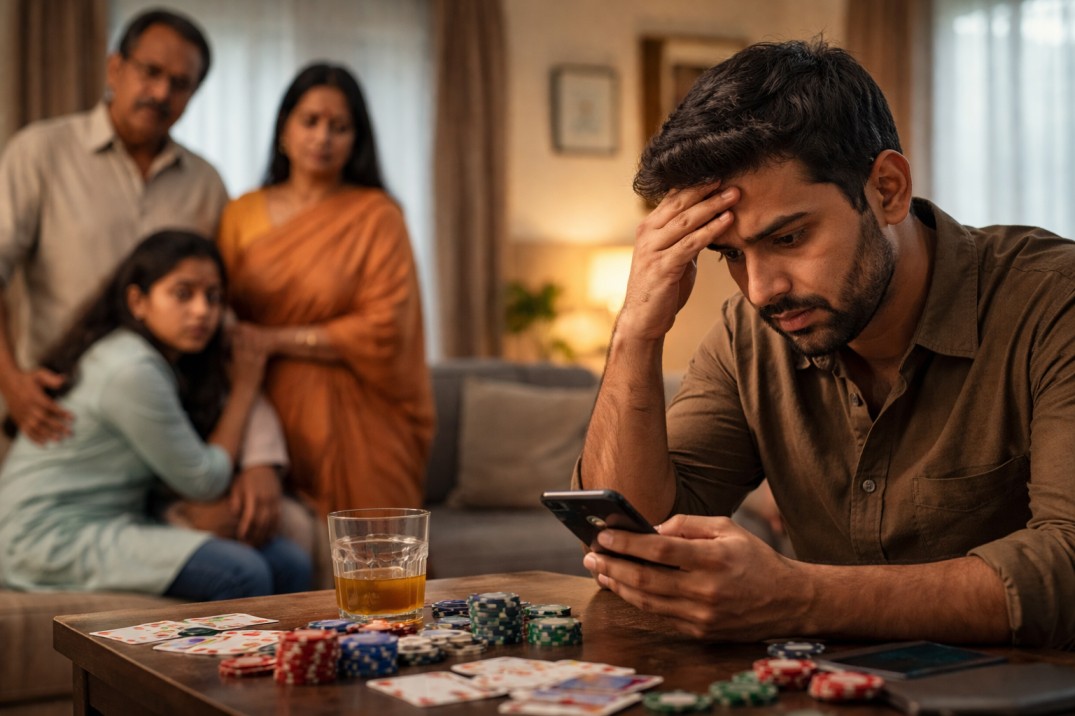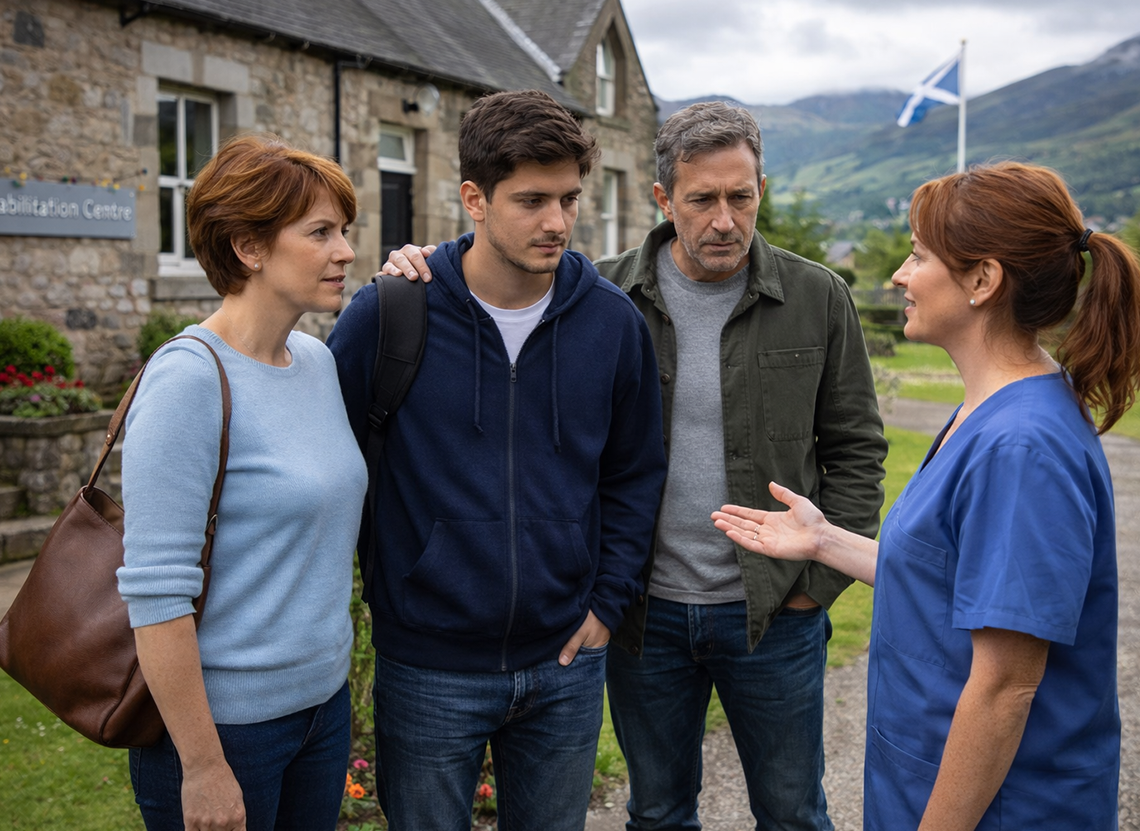





Pennsylvania has been significantly impacted by addiction, particularly the opioid crisis, which has touched communities across the state, from Philadelphia and Pittsburgh to smaller towns and rural areas. If you're searching for the best rehab in Pennsylvania, chances are you're doing so in the midst of real pain, watching someone you love struggle, or recognising in yourself that something has to change.
This guide is for you. Not a marketing copy but honest, clear information about what effective rehabilitation actually looks like, what to ask of any programme, and why many Pennsylvania families are finding exceptional care through world-class residential treatment in India.
Addiction Challenges & Rehab in Pennsylvania
Pennsylvania's addiction landscape is shaped by several intersecting factors: the legacy of the opioid crisis, significant rates of alcohol use disorder, communities marked by long-term economic stress and social disconnection, and a mental health system that is often stretched beyond its capacity.
What this means for individuals seeking treatment is that effective rehab in pennsylvania needs to go beyond basic detox or short-term management. For most people, the addiction is layered trauma, mental health conditions, and deeply ingrained patterns of thinking and behaviour, all of which need to be addressed for recovery to hold.
What Does Effective Addiction Treatment Look Like in Rehab in Pennsylvania
1. A Thorough Assessment
Effective treatment begins in rehab in pennsylvania with genuine understanding. A thorough clinical assessment covering physical health, mental health, trauma background, substance use history, social circumstances, and personal recovery goals is the foundation of a treatment plan that actually fits the individual. Avoid programmes that seem to apply a standard package to everyone.
2. Trauma-Informed Care
Trauma is one of the most consistent and significant underlying factors in addiction. Adverse childhood experiences, abuse, loss, and chronic stress reshape the nervous system and influence behaviour in ways that persist long after the events themselves. A trauma-informed programme creates safety, builds trust, and provides the therapeutic support for trauma to be acknowledged and processed, not just managed around.
3. Dual Diagnosis Treatment
Depression, anxiety, PTSD, and other mental health conditions are frequently present alongside addiction and often precede or drive it. Programmes that treat only the substance use leave these conditions unaddressed, which is one of the most common reasons that early recovery does not hold. The best programmes in rehab in Pennsylvania treat addiction and mental health simultaneously, with an integrated psychiatric and therapeutic team.
4. Evidence-Based Therapies
Cognitive Behavioural Therapy (CBT), Dialectical Behaviour Therapy (DBT), trauma-focused therapies, and motivational interviewing are the approaches with the strongest clinical evidence in addiction treatment. These should form the core of any programme, not be peripherals to flashy amenities.
5. Meaningful Aftercare
The period following residential treatment is the most vulnerable in early recovery. Programs that invest in structured aftercare relapse prevention planning, continued therapeutic support, alumni connection, and family guidance produce substantially better long-term outcomes. Aftercare is not an optional extra; it is a clinical necessity.
Samarpan Recovery: Why Pennsylvania Families Are Choosing India
Samarpan Recovery is a premium, trauma-informed, evidence-based residential rehabilitation centre in India trusted by families from across the United States and internationally. Its programme is built around a single purpose: providing clinical excellence in a genuinely healing environment, with the depth of individual attention that lasting recovery requires.
1. Genuinely Personalised Treatment
Treatment at Samarpan begins with a comprehensive clinical assessment and produces a genuinely individual plan, not a standard template. The programme integrates psychiatric care, individual and group therapy, CBT, DBT, trauma-focused approaches, mindfulness, family therapy, and holistic healing in a way that is tailored to each person's specific history, conditions, and goals.
2. Leading Dual Diagnosis Expertise
Co-occurring mental health conditions are not an afterthought at Samarpan they are central to the clinical model. Experienced psychiatrists assess thoroughly, monitor continuously, and ensure that mental health treatment is fully integrated into every aspect of the programme. For individuals with complex dual diagnosis presentations, this integrated approach is often what makes the difference.
3. Trauma-Informed Throughout
The Samarpan model is trauma-informed in a deep sense, not as a marketing term, but as a foundational principle that shapes the therapeutic approach, the clinical culture, and the environment. Every interaction is designed to build safety and trust. Every therapy is attuned to the complexity of trauma's impact on behaviour and healing.
4. A Healing Environment
Samarpan is set in a serene, nature-based environment, a meaningful therapeutic contrast to the environments that many individuals seeking help have been living in. The calm, natural surroundings support nervous system regulation, genuine psychological rest, and the depth of reflection that recovery work requires.
5. Cost That Makes Comprehensive Care Real
One of the most painful realities for Pennsylvania families is that insurance often limits treatment duration, cutting residential programmes short before the therapeutic work is complete. At Samarpan, comprehensive residential treatment is substantially more affordable than equivalent US programmes, meaning families can access a full, thorough programme without the financial ceiling that truncates care in the US system.
6. Family as Central to Recovery
Addiction affects the whole family system, and recovery needs to happen at that level, not just the individual level. Samarpan actively involves families through family therapy, education, and ongoing communication. The goal is for families to heal alongside their loved one and to build the understanding and environment that support long-term recovery.
7. Structured, Meaningful Aftercare
Discharge from Samarpan is a transition, not an endpoint. Structured aftercare, including relapse prevention planning, ongoing therapeutic support, alumni community connection, and family guidance, provides the continuity that the most vulnerable phase of recovery requires.
When to Choose Residential Rehab in Pennsylvania
1. Previous attempts, including outpatient treatment, have not led to lasting change
Repeated efforts to stop using substances, whether independently or through outpatient treatment, demonstrate motivation, but ongoing relapse suggests that a higher level of care may be necessary. Residential rehab provides a structured, immersive environment with 24-hour clinical support, consistent therapy, and reduced exposure to triggers, allowing individuals to focus fully on sustainable recovery rather than short-term stabilisation.
2. Withdrawal requires medical supervision
Certain substances, including alcohol, benzodiazepines, and opioids, can produce withdrawal symptoms that are physically and psychologically severe. Complications may include seizures, cardiovascular instability, dehydration, or intense cravings. Residential rehab offers medically supervised detoxification, ensuring safety, symptom management, and a stable foundation before deeper therapeutic work begins.
3. Mental health conditions are present and intertwined with addiction
Addiction frequently co-exists with depression, anxiety disorders, PTSD, bipolar disorder, or other psychiatric conditions. When mental health conditions are present and intertwined with addiction, treating only the substance use often leads to relapse. Residential programmes provide integrated dual-diagnosis care, combining psychotherapy, psychiatric assessment, and medication management when appropriate.
4. Significant trauma history has not been therapeutically addressed
Unresolved trauma is a common driver of substance use. Without targeted therapeutic intervention, traumatic experiences can continue to fuel emotional distress and self-medicating behaviours. Residential settings create a safe and contained space for trauma-informed therapies, such as cognitive behavioural therapy (CBT) or EMDR, to be delivered consistently and effectively.
5. The usual environment is filled with triggers and does not support early recovery
Early recovery is particularly vulnerable to environmental stressors. If daily life includes exposure to substance use, unstable relationships, conflict, or high stress, maintaining sobriety becomes significantly more difficult. Residential rehab removes individuals from these triggers and provides structure, accountability, and professional guidance during the most critical phase of recovery.
6. Health, relationships, or professional functioning have been significantly affected
As addiction progresses, its impact often extends into physical health, family dynamics, social connections, and career stability. Declining well-being, strained relationships, reduced performance, or financial strain are signs that more intensive intervention may be required. Residential rehab offers comprehensive care, life-skills development, and family support to help rebuild stability across personal and professional domains.
The Samarpan Treatment Journey
1. Comprehensive Assessment
Treatment begins with a thorough clinical assessment covering all relevant dimensions: physical and mental health, trauma background, substance use history, family dynamics, and personal recovery goals. This assessment forms the foundation of a genuinely individual plan.
2. Medical Detox Where Required
Medically supervised detox is available for those who need it clinically managed, safe, and designed to be as comfortable as possible before intensive therapeutic work begins.
3. Immersive Daily Therapeutic Programme
A structured daily schedule of individual therapy, group sessions, psychoeducation, mindfulness, and holistic activities provides the therapeutic depth that genuine root-cause recovery requires. The programme adapts through ongoing clinical review, ensuring it continues to serve where the individual actually is.
4. Family Therapy and Education
Structured family sessions, education about addiction and recovery, and regular communication ensure that Chicago families are actively involved, informed, and healing, not left waiting for updates on the sidelines.
Conclusion
Pennsylvania's communities deserve effective, compassionate addiction treatment, not programmes that manage symptoms while leaving root causes untouched. The best rehab is the one that treats the whole person: the addiction, the mental health, the trauma, and the family system.
For a growing number of Pennsylvania families, Samarpan Recovery offers exactly that: a world-class residential programme built on clinical excellence, trauma-informed care, dual diagnosis expertise, and genuine compassion, at a cost that makes thorough, comprehensive treatment truly accessible.
If you or your loved one is ready to take a step toward a different future, speaking to a professional can be where that begins. Support is available, and recovery is possible.
Frequently Asked Questions
-
Why do Pennsylvania families choose Samarpan over local rehabs?
Samarpan offers greater clinical depth, particularly in dual diagnosis and trauma-informed care, a more therapeutic environment, and a more personalised programme than most Pennsylvania private rehabs, at significantly lower cost. Many families describe it as offering something they couldn't find at home.
-
Is it practical to travel to India for treatment from Pennsylvania?
Yes. Samarpan has extensive experience with US clients and provides comprehensive pre-arrival guidance and logistical support. Families receive regular updates throughout treatment.
-
How long should residential treatment last?
A minimum of 28 days is recommended, with 60–90 days or longer appropriate for complex presentations. The clinical team makes an individualised recommendation following assessment.
-
Does Samarpan treat opioid addiction?
Yes. Samarpan treats alcohol and drug addiction, including opioid use disorder, alongside any co-occurring mental health conditions, with medically supervised detox available where required.
-
How does dual diagnosis treatment work at Samarpan?
Psychiatric assessment is conducted at intake and is ongoing throughout treatment. Mental health conditions are treated as a fully integrated part of the overall programme, not as a separate service ensuring that both addiction and co-occurring conditions are addressed together.
-
What happens when treatment ends?
Samarpan provides structured aftercare, including relapse prevention planning, continued therapeutic support, alumni community access, and family guidance supporting long-term recovery beyond the residential phase.
-
Can the family be involved from Pennsylvania?
Absolutely. Family therapy is a core part of the Samarpan programme. The team maintains regular communication with families throughout, and remote participation in family sessions is supported.