


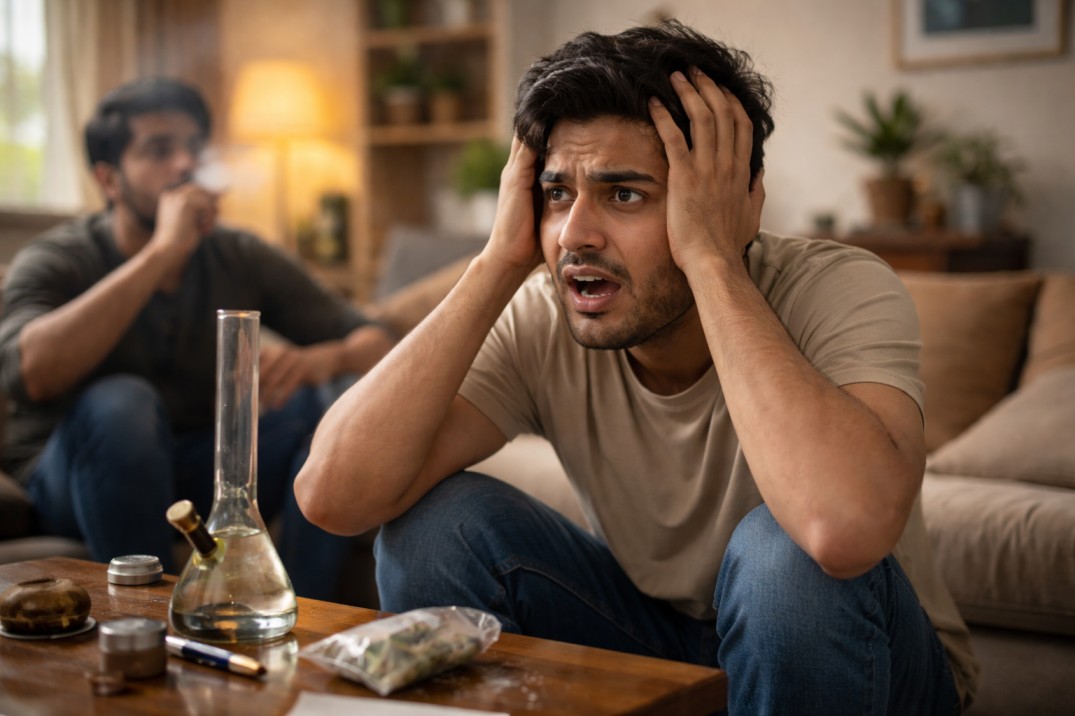



Cannabis occupies a peculiar position within modern cultural discourse. It is alternately romanticised as a harmless herb capable of inspiring creativity and relaxation, or vilified as a gateway into psychological instability. The truth, as is often the case within the field of addiction psychology, lies somewhere between these extremes. For certain individuals cannabis may indeed produce mild relaxation or sensory elevation. Yet for others, particularly those who develop cannabis addiction, the substance can gradually cultivate a psychological landscape characterised by agitation, paranoia, and in more severe cases, full-fledged panic attacks.
This raises an important clinical question. Can persistent Marijuana Addiction precipitate anxiety disorders and panic symptoms that continue even beyond the period of intoxication? Increasing evidence within addiction psychiatry suggests that the answer, in many circumstances, is yes.
To understand why, one must examine the subtle yet profound neurological interactions that occur when cannabis is repeatedly introduced into the brain's regulatory systems.
How Cannabis Addiction Affects the Brain
Cannabis primarily exerts its psychological influence through tetrahydrocannabinol (THC), a compound that interacts with the brain's endocannabinoid system. This system plays a crucial role in regulating mood, stress response, emotional processing, and memory consolidation.
When THC binds to cannabinoid receptors in the brain, it temporarily alters neurotransmitter activity. Dopamine release increases, sensory perception shifts, and emotional experiences may become intensified. In small doses this effect can appear pleasurable or calming. However, repeated exposure often produces a very different psychological pattern.
Individuals struggling with cannabis addiction symptoms frequently report heightened sensitivity to stress, difficulty regulating emotions, and episodes of racing thoughts or sudden fear. What initially appeared to be a relaxing substance gradually transforms into a catalyst for psychological instability.
The irony is particularly striking. Many individuals begin using cannabis to escape anxiety, yet persistent use can paradoxically create the very anxiety they were attempting to avoid.
When Cannabis Use Becomes Addiction
The progression from casual use to cannabis addiction rarely occurs abruptly. Instead it unfolds through incremental behavioural shifts that may initially appear harmless.
A person who once used cannabis occasionally might begin consuming it daily to manage stress, insomnia, or boredom. Over time the brain begins to rely on THC to regulate mood. Without it, irritability, restlessness, and emotional discomfort emerge. This dependence signals the early stages of Marijuana Addiction.
As tolerance develops, larger quantities become necessary to achieve the same psychological effect. Eventually the individual may discover that cannabis no longer produces relaxation at all. Instead, the experience is increasingly accompanied by nervousness, intrusive thoughts, or heart palpitations that resemble panic attacks.
At this stage, professional cannabis addiction counselling often becomes necessary to interrupt the cycle.
Why Cannabis Addiction Triggers Anxiety & Panic
The relationship between cannabis and anxiety is complex, yet several psychological mechanisms help explain why heavy use may provoke panic symptoms.
First, THC increases activity within the amygdala, the brain structure responsible for detecting threat. When this system becomes overstimulated, the brain may misinterpret ordinary bodily sensations as signs of danger. A racing heart, for instance, might be perceived as impending catastrophe, triggering a panic response.
Second, cannabis can disrupt normal cognitive processing. Thoughts may become fragmented, exaggerated, or circular. This altered state of perception sometimes leads individuals to catastrophise ordinary sensations, intensifying fear.
Finally, withdrawal itself can produce anxiety. Individuals attempting to stop after prolonged use often experience irritability, restlessness, insomnia, and emotional volatility. These symptoms are commonly addressed through structured marijuana withdrawal treatment programs.
Signs of Cannabis Addiction Symptoms & Anxiety
Certain psychological patterns often indicate that cannabis use has evolved into a problematic relationship with the substance.
Persistent nervousness after smoking, sudden panic episodes, heightened paranoia, and difficulty concentrating may all signal emerging cannabis addiction symptoms. Some individuals also report derealisation or depersonalisation, experiences in which the surrounding environment feels unreal or distant.
Another warning sign involves the inability to reduce use despite recognising its negative psychological effects. A person may attempt to stop repeatedly, only to return to cannabis in order to escape the discomfort of withdrawal.
At this point, seeking cannabis addiction help becomes essential.
Cannabis Addiction Treatment Options
Although cannabis dependence is sometimes minimised within popular culture, recovery is entirely possible with appropriate clinical support. Effective cannabis addiction therapy typically combines behavioural therapy, psychological counselling, and relapse-prevention strategies.
Cognitive behavioural therapy helps individuals identify the thought patterns that sustain compulsive substance use. By examining emotional triggers, stress responses, and behavioural habits, patients gradually develop alternative coping strategies.
In more severe cases, individuals may benefit from residential marijuana rehab or specialised marijuana addiction treatment centers, where clinicians provide structured therapeutic support during the early stages of recovery.
Such programs often include group counselling, individual psychotherapy, and educational sessions designed to help patients understand the neurological foundations of addiction.
Conclusion
Cannabis is frequently portrayed as a benign substance incapable of producing significant psychological harm. Yet for individuals vulnerable to dependency, persistent use can gradually disrupt the brain's delicate emotional regulatory systems.
Over time, cannabis addiction may transform a substance once used for relaxation into a catalyst for anxiety, paranoia, and panic disorders. Recognising this progression early allows individuals to seek cannabis addiction treatment before the psychological consequences intensify.
With compassionate therapeutic support, structured treatment for cannabis addiction, and appropriate behavioural interventions, individuals can restore emotional equilibrium and reclaim psychological stability.
FAQs
-
How to get rid of cannabis addiction?
Recovery from cannabis addiction usually involves behavioural therapy, counselling, lifestyle changes, and sometimes structured rehabilitation programs that address both psychological dependence and withdrawal symptoms.
-
What is cannabis addiction?
Cannabis addiction refers to a pattern of compulsive marijuana use in which an individual continues consuming cannabis despite negative psychological, emotional, or social consequences.
-
How to get help for cannabis addiction?
Professional help may include therapy, addiction counselling, outpatient programs, or residential rehabilitation centres specialising in cannabis addiction treatment.
How can Samarpan help?
Many individuals begin using cannabis casually, often believing it to be harmless or even relaxing. However, prolonged or excessive use can gradually evolve into cannabis addiction, particularly when the substance becomes a primary coping mechanism for stress, emotional discomfort, or sleep difficulties.
What many people do not realise is that heavy or long-term marijuana use can significantly affect the brain’s anxiety regulation systems, sometimes triggering panic episodes, paranoia, or persistent anxiety symptoms.
At Samarpan, we frequently see individuals who initially used cannabis to relax but later began experiencing overwhelming anxiety, intrusive thoughts, or panic attacks. These reactions are often linked to dysregulation of the brain’s endocannabinoid system, which influences mood, perception, and emotional stability.
Over time, dependence can lead to worsening cannabis addiction symptoms, including irritability, sleep disturbances, restlessness, and emotional instability when the substance is not used.
As a luxury rehabilitation centre in Mumbai and Mulshi, Samarpan provides structured and compassionate support for individuals seeking cannabis addiction help.
Our comprehensive cannabis addiction treatment programmes begin with a thorough psychological and medical evaluation to understand the severity of the addiction and any co-occurring anxiety or panic disorders.
For many clients, withdrawal from marijuana can be emotionally challenging. Symptoms such as anxiety spikes, mood fluctuations, and insomnia are common, which is why marijuana withdrawal treatment is closely supervised by experienced clinicians.
Stabilisation is followed by evidence-based psychotherapy that addresses the psychological patterns maintaining the addiction.
Through specialised cannabis addiction counselling and cannabis addiction therapy, clients learn to recognise triggers, develop healthier coping mechanisms, and rebuild emotional regulation skills without relying on substances.
Cognitive behavioural approaches, relapse prevention strategies, and emotional processing work form the backbone of treatment.
For individuals requiring deeper intervention, Samarpan also offers immersive care similar to what one might find in leading marijuana addiction treatment centers.
Within our marijuana rehab programmes, clients receive structured therapy, lifestyle stabilisation, and personalised recovery planning.
Our marijuana addiction treatment approach ensures that both the behavioural and neurological aspects of the addiction are addressed.
Ultimately, treatment for cannabis addiction is not simply about stopping substance use. It is about restoring emotional balance, improving mental clarity, and helping individuals regain confidence in their ability to manage anxiety and stress without chemical dependence.
At Samarpan, recovery is approached with clinical expertise, privacy, and deep respect for each individual’s journey toward stability and long-term wellbeing.