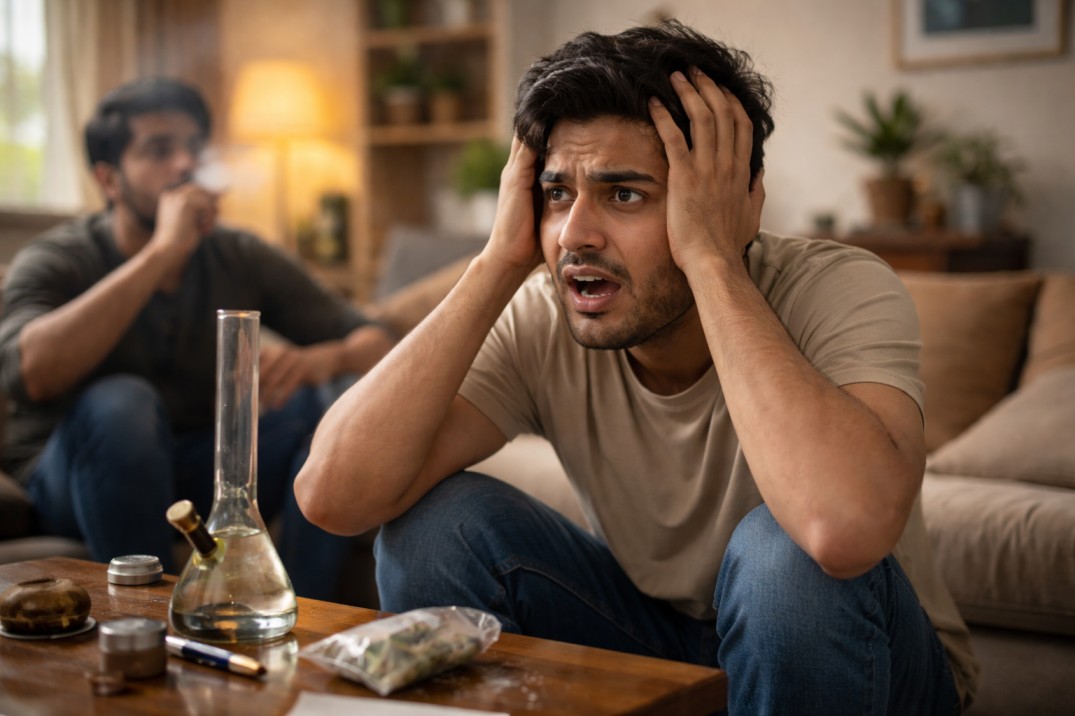






Texas is a big state and its addiction treatment sector reflects that scale. From major urban centres like Houston, Dallas, and Austin to smaller cities and rural communities, the range of rehab in Texas options is vast. But size and variety don't automatically mean quality.
If you're searching for the best rehab in Texas for yourself, a spouse, a parent, or a child you're likely doing so under significant emotional pressure. This guide is designed to give you clear, honest information: what effective treatment actually looks like, what questions matter, and why many Texas families are finding the best outcomes through comprehensive residential care abroad.
Rehab in Texas: Understanding the Context
Texas faces a significant public health challenge around substance use, with alcohol, methamphetamine, and opioids among the most commonly affecting substances. The scale and diversity of the state mean that both urban and rural communities experience the impact differently, but the underlying patterns are similar rising overdose risks, polysubstance use, and increasing strain on families and healthcare systems.
Like many states, Texas also sees a deep connection between addiction and underlying mental health conditions. Depression, anxiety, PTSD, and trauma-related disorders frequently co-exist with substance use, creating a cycle in which each condition reinforces the other. Without integrated, dual-diagnosis care, recovery efforts often remain incomplete and relapse risk stays high.
Many individuals seeking help in Texas have already tried routes that haven't worked, perhaps an outpatient programme, a 12-step community, or a short-term residential stay. These approaches can be valuable, but for some individuals they may not provide enough clinical depth, duration, or structure to address complex needs.
When those haven't produced lasting change, it usually signals that something deeper needs to be addressed whether unresolved trauma, untreated psychiatric conditions, or environmental instability.
The right programme can do that. A clinically robust residential setting can provide comprehensive assessment, medically supervised care, trauma-informed therapy, psychiatric support, and structured recovery planning.
By addressing the full context of addiction, not just the substance use itself, treatment becomes more than short-term stabilization; it becomes a foundation for sustainable, long-term recovery.
What Separates Effective Rehab in Texas From Ineffective Rehab
1. Addressing the Whole Person
Addiction doesn't develop in a vacuum. Trauma, mental health conditions, patterns of thinking and relating, and social environment all play a role. Programmes that focus only on the substance detox and basic counselling without addressing these underlying factors rarely produce durable recovery.
2. Trauma-Informed Treatment
Research consistently shows that trauma is a major contributing factor in addiction. A trauma-informed programme recognises this and builds safety, trust, and genuine therapeutic support around it.
3. Dual Diagnosis Capability
Depression, anxiety, PTSD, bipolar disorder are frequently found alongside addiction. A programme without genuine dual diagnosis capability will address only part of the picture, leading to incomplete recovery.
4. Evidence-Based Therapies
Cognitive Behavioural Therapy (CBT), Dialectical Behaviour Therapy (DBT), trauma-focused therapies, and motivational interviewing form the core of effective treatment.
5. Aftercare That Takes Recovery Seriously
The weeks and months after treatment are often the most challenging. Strong programmes provide relapse prevention planning, continued support, and long-term recovery guidance.
Why Samarpan Recovery Is Chosen by Families Across the US
1. A Comprehensive, Personalised Clinical Programme
Treatment is built around the individual, integrating psychiatric care, therapy, mindfulness, and holistic healing into a personalised plan.
2. Dual Diagnosis as a Core Specialism
Mental health is treated as central, with expert psychiatric care ensuring both addiction and co-occurring conditions are addressed together.
3. Trauma-Informed at Every Level
The entire model is built on trauma-informed principles, shaping how therapy, staff interaction, and the environment function.
4. A Genuinely Healing Environment
A calm, nature-based setting supports emotional regulation, reflection, and deeper therapeutic work.
5. Cost That Makes Comprehensive Care Accessible
High-quality care is provided at a significantly lower cost than many private Texas rehabs.
6. Family Involvement Throughout
Families are actively included through therapy, education, and communication.
7. Structured Aftercare
Ongoing support ensures continuity after treatment, reducing relapse risk.
Who Should Consider Residential Rehab in Texas?
1. Those Who Have Tried Outpatient Treatment Without Success
Residential rehab provides structure and immersion when outpatient care isn't enough.
2. Individuals Needing Medical Supervision During Withdrawal
Safe detox is essential for substances like alcohol, benzodiazepines, and opioids.
3. Those With Co-Occurring Mental Health Conditions
Integrated treatment addresses both addiction and mental health together.
4. Individuals With Trauma History
Structured therapy helps process trauma that drives addiction.
5. Those in Unsupportive Environments
Residential care removes individuals from triggers and instability.
6. Individuals Severely Impacted by Addiction
When health, relationships, and functioning decline, intensive care is needed.
The Samarpan Treatment Journey
1. Comprehensive Assessment
A detailed evaluation forms the foundation of personalised care.
2. Medical Detox Where Required
Safe and supervised detox prepares individuals for therapy.
3. Immersive Daily Therapeutic Programme
Structured therapy, mindfulness, and education create deep recovery.
4. Family Therapy and Education
Families are involved and supported throughout the process.
Conclusion
The best rehab in Texas is one that treats the whole person addressing addiction, mental health, trauma, and family dynamics together.
Samarpan Recovery offers a strong alternative through comprehensive, trauma-informed residential care that focuses on long-term recovery rather than short-term fixes.
If you or your loved one is ready to explore real recovery, professional guidance can be the first step toward lasting change.
Frequently Asked Questions
-
How does Samarpan compare to private rehabs in Texas?
It offers deeper clinical care, especially in trauma and dual diagnosis, at a lower cost.
-
Is international rehab practical for Texas residents?
Yes, with full support provided before and during treatment.
-
How long is the recommended programme?
28 days minimum, with 60–90 days recommended for complex cases.
-
Does Samarpan treat both addiction and mental health?
Yes, dual diagnosis treatment is a core focus.
-
What therapies are used?
CBT, DBT, trauma therapy, mindfulness, group therapy, and family therapy.
-
How are families involved?
Through therapy sessions, education, and regular communication.
-
What aftercare is provided?
Relapse prevention planning, ongoing support, and community connection.