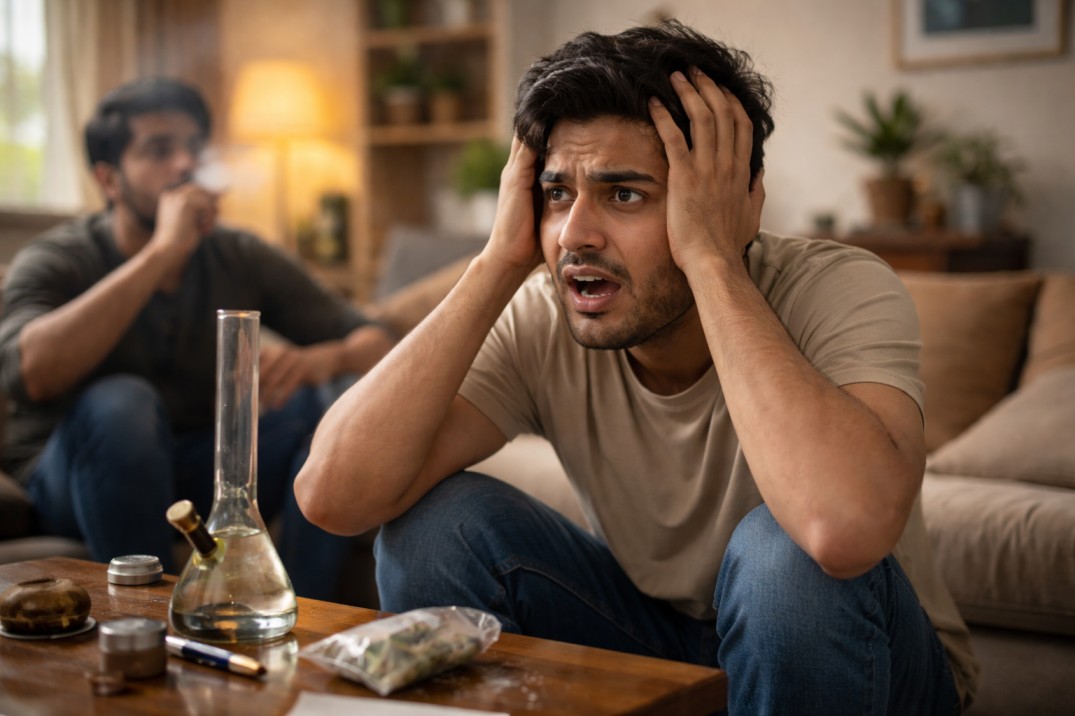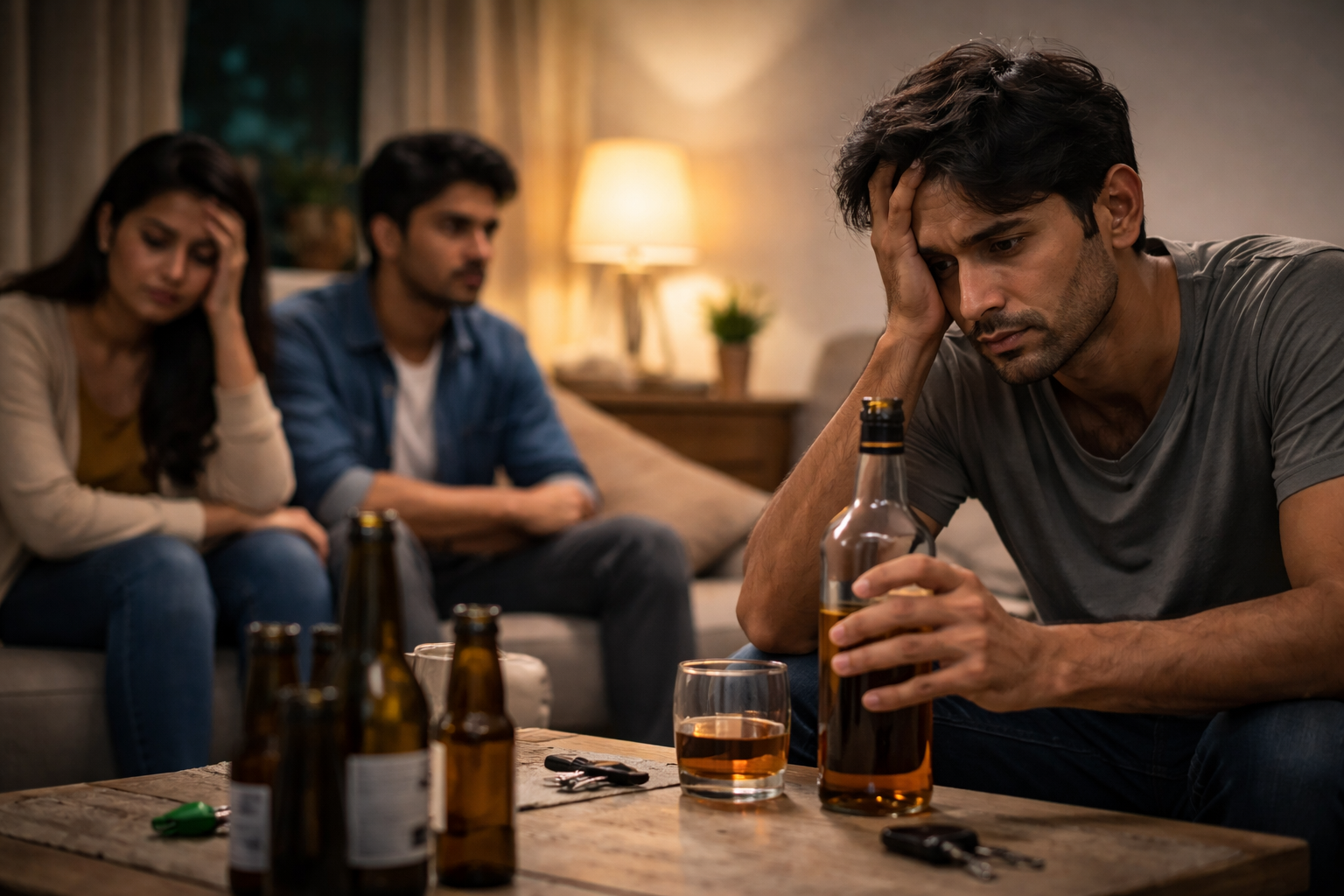






Houston is a city full of energy, diverse, ambitious, and constantly moving forward. Yet beneath that energy, addiction affects thousands of families every year, often quietly and out of sight until a crisis brings it into focus.
If you're searching for the best rehab in Houston, you're likely past the stage of questioning whether there’s a problem. You’re looking for real answers to what works, what to look for, and how to find care that leads to lasting recovery, not just short-term stabilization. This guide is for you.
Why Addiction Treatment in Houston Often Falls Short
Addiction remains one of the most misunderstood conditions in healthcare. It is not a character flaw, a moral failure, or simply a series of bad choices. It is a condition rooted in the brain’s reward system, influenced by genetics and environment, and reinforced by psychological and neurological patterns that become deeply ingrained over time.
In practical terms, this means effective treatment must go far beyond simply stopping substance use. It must address underlying emotional pain, trauma history, co-occurring mental health conditions, and the thought and behavior patterns that developed alongside the addiction. Programs that focus only on detox and basic counseling leave the deeper causes unaddressed.
1. Trauma: The Hidden Driver
The term trauma is widely used, but its clinical significance in addiction is profound. Adverse childhood experiences, domestic violence, workplace trauma, grief, and chronic stress can all leave lasting effects on the nervous system.
Many individuals struggling with addiction are using substances to cope with unprocessed experiences that were never fully addressed. Treatment that fails to recognize and treat trauma rarely leads to long-term recovery.
2. The Mental Health Connection
Depression, anxiety, PTSD, ADHD, and bipolar disorder are significantly more common among individuals seeking addiction treatment. The relationship works both ways: mental health conditions increase vulnerability to addiction, and addiction worsens psychiatric symptoms.
The only effective clinical approach is integrated dual diagnosis treatment at rehab in Houston, where both conditions are assessed and treated simultaneously from the start.
3. Why Environment Matters
Houston’s social culture, work environment, peer networks, and familiar surroundings associated with substance use can create powerful triggers that undermine early recovery.
One major advantage of residential treatment especially when located outside the immediate home environment is the temporary removal of these triggers while intensive therapeutic work takes place.
Signs You Need Residential Rehab in Houston
1. Outpatient Treatment Has Not Led to Lasting Sobriety
If multiple attempts at outpatient treatment, counseling, or self-directed recovery have not resulted in sustainable change, a higher level of structure may be necessary. Residential rehab removes daily distractions and triggers, providing 24/7 clinical support, accountability, and an immersive therapeutic environment designed to interrupt recurring relapse patterns.
2. Withdrawal Requires Medical Supervision
Withdrawal from alcohol or opioids can be dangerous and, in some cases, life-threatening. Symptoms such as seizures, severe dehydration, cardiac complications, or intense cravings require medical monitoring. Residential rehab offers medically supervised detox to ensure safety, comfort, and stabilization before transitioning into comprehensive therapeutic care.
3. Mental Health Conditions Co-Occur with Substance Use
Substance use often exists alongside depression, anxiety, PTSD, bipolar disorder, or other psychiatric conditions. Without treating both simultaneously, the risk of relapse increases significantly. Residential programs provide integrated, dual-diagnosis treatment that includes psychiatric care, medication management when appropriate, and evidence-based therapies to treat the whole person.
4. Trauma Has Not Been Properly Addressed in Therapy
Unresolved trauma is a common underlying factor in substance use. If painful experiences remain unprocessed, they can continue fueling emotional distress and self-medicating behaviors. Residential rehab provides a safe, structured environment where trauma-informed therapies such as Cognitive Behavioral Therapy (CBT) and EMDR can be delivered consistently and effectively.
5. The Home or Social Environment in Houston Is Not Supportive of Recovery
Recovery is especially challenging when an individual remains surrounded by triggers, substance-using peers, unstable housing, or chronic stress. In cities like Houston, where environmental triggers are easily accessible, residential rehab provides a protective space away from negative influences, allowing individuals to focus fully on healing and skill development.
6. Physical Health, Relationships, Career, or Family Life Have Been Significantly Impacted
Addiction rarely affects only one area of life. Declining physical health, strained relationships, job instability, financial stress, and family conflict are all signs of escalating severity. When multiple areas are deteriorating, residential rehab provides intensive intervention, structured routines, family therapy opportunities, and holistic care to restore stability across all aspects of life.
Why Samarpan Recovery Is Trusted by Houston Families?
1. An Individually Designed Program
Treatment at Samarpan begins with a comprehensive clinical assessment that leads to a personalized care plan tailored to each individual’s history, conditions, circumstances, and recovery goals.
The program integrates psychiatric care, individual therapy, group therapy, CBT, DBT, trauma-focused approaches, mindfulness, family therapy, and holistic healing into a cohesive and customized experience.
2. Dual Diagnosis at the Core of Care
For families navigating the complex relationship between addiction and mental health, Samarpan’s dual diagnosis expertise is a key differentiator. Experienced psychiatrists conduct thorough assessments, provide continuous monitoring, and ensure that mental health treatment is fully integrated from day one.
3. Trauma-Informed at Every Level
Samarpan’s approach to trauma is foundational, not secondary. The therapeutic model, clinical culture, team communication style, and daily program structure are all shaped by a deep understanding of trauma’s role in addiction.
4. A Healing Environment That Supports Recovery
The center is located in a calm, private, nature-based setting that supports reflection, nervous system regulation, and emotional restoration.
5. Cost That Allows for Complete, Unrushed Treatment
Comprehensive residential treatment at Samarpan is significantly more affordable than comparable programs in Houston.
6. Family Healing Alongside Individual Recovery
Samarpan actively involves families through structured family therapy, education about addiction and recovery, and ongoing communication.
7. Structured Aftercare for the Return to Houston
Samarpan’s aftercare program includes relapse prevention planning, ongoing therapeutic contact, alumni community engagement, and family guidance.
The Samarpan Experience: What Treatment Looks Like
1. Comprehensive Clinical Assessment at Admission
Treatment begins with a thorough evaluation covering physical health, mental health, trauma history, substance use patterns, family background, and personal recovery goals forming the foundation of a truly individualized plan.
2. Medical Detox When Necessary
Medically supervised detoxification is available for individuals who require safe, clinically managed withdrawal before deeper therapeutic work begins.
3. Immersive Daily Therapeutic Schedule
A structured daily schedule including individual therapy, group sessions, psychoeducation, mindfulness practices, and holistic activities provides the depth required for root-cause recovery.
4. Family Therapy and Ongoing Communication
Family sessions, education, and consistent updates ensure Houston families remain actively involved and prepared to support long-term recovery.
Conclusion
The best rehab in Houston or anywhere treats the whole person: addiction, mental health, trauma, family dynamics, and the patterns of thinking and behavior that sustain substance use.
For a growing number of Houston families, Samarpan Recovery in India offers exactly that a world-class residential program combining clinical excellence, trauma-informed care, dual diagnosis expertise, and authentic compassion at a cost that makes comprehensive treatment truly accessible.
Support is available. Recovery is possible.
Frequently Asked Questions
-
Is traveling from Houston to India practical for rehab?
Yes. Samarpan has extensive experience with US clients and provides comprehensive pre-arrival logistical support.
-
How does Samarpan compare to Houston private rehabs?
Samarpan offers greater clinical depth, particularly in dual diagnosis and trauma-informed care, at significantly lower cost.
-
How long is treatment?
A minimum of 28 days is recommended, with 60–90 days appropriate for complex cases.
-
Does Samarpan treat alcohol and opioid addiction?
Yes. It treats a full range of substance use disorders with detox and therapy.
-
What is included in the aftercare programme?
Relapse prevention, ongoing support, alumni access, and family guidance.
-
How are families kept informed and involved?
Through therapy sessions, updates, and structured communication.
-
Is Samarpan suitable for dual diagnosis cases?
Yes. It specializes in treating addiction alongside mental health conditions like depression.