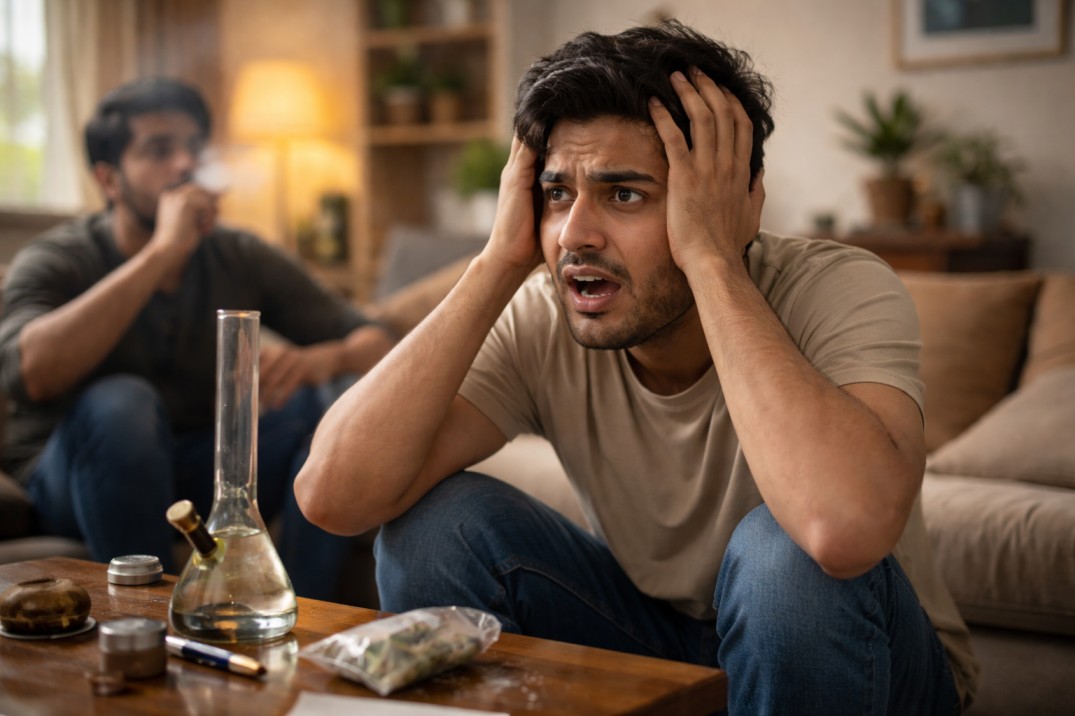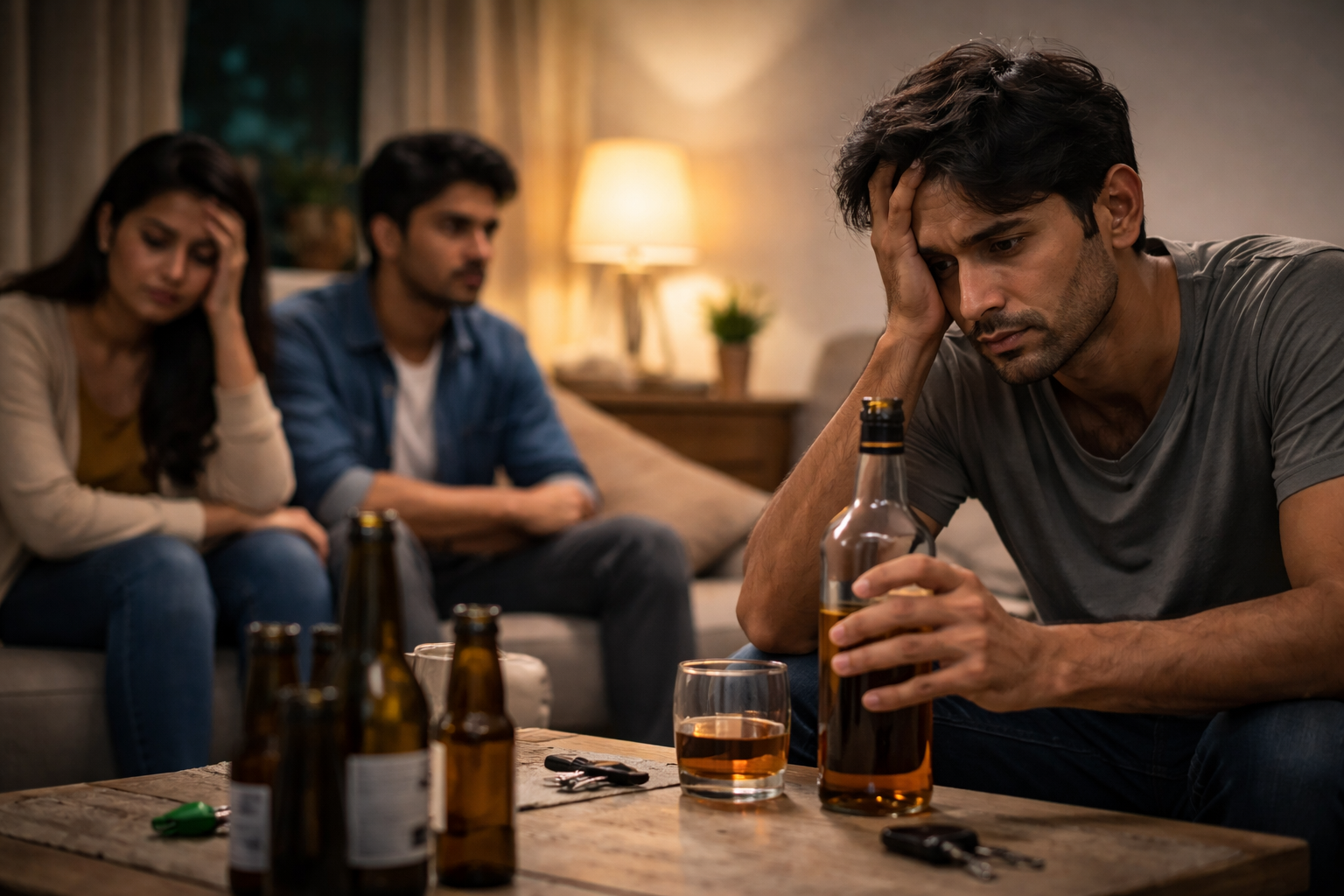




New York is one of the most demanding cities in the world, and for some, that pressure becomes a pathway into addiction. Long hours, high stakes, social isolation hidden behind constant activity, and easy access to substances — the very conditions that make New York extraordinary can also make addiction harder to recognize until it becomes serious.
If you're searching for the best rehab in New York whether for yourself or someone you love you're likely doing so at a time when the stakes feel incredibly high. This guide is for you: honest, clear, and focused on what actually works.
Understanding Addiction in a High-Pressure Environment
New York’s pace creates unique pressures around addiction. Professional environments where alcohol use is normalized, social scenes where substance use is common, and the relentless demand to perform can make it difficult to recognize and admit when use has turned into dependency.
By the time most people in New York seek treatment, addiction has often been present longer than they realized. Co-occurring mental health conditions anxiety, depression, burnout are frequently part of the picture. This level of complexity requires a program that can genuinely address all aspects of the problem.
What Effective Addiction Treatment Really Looks Like in Rehab in New York
1. Beyond Detox: Addressing Root Causes
Medically supervised detox is an important first step for many people, but it is only the beginning. The real work of recovery happens during the therapeutic process that follows: understanding the patterns of thinking, feeling, and behavior that sustained the addiction; processing traumatic experiences or emotional pain that may underlie it; and building a solid foundation for a different kind of life.
2. Trauma-Informed Care In Rehab in New York
Trauma, in its many forms, is one of the most consistent underlying factors in addiction. A truly trauma-informed program doesn’t simply acknowledge this; it structures the entire therapeutic environment around creating safety, building trust, and supporting healing at a deeper level than symptom management alone.
3. Dual Diagnosis Treatment
For the high percentage of people in New York’s treatment-seeking population who carry co-occurring anxiety, depression, PTSD, or other mental health conditions, dual diagnosis capability is not optional it is essential. Without integrated mental health treatment, addiction care addresses only part of the issue.
4. Evidence-Based Therapies
CBT, DBT, trauma-focused therapies, and motivational interviewing have the strongest evidence base in addiction treatment. A credible program should be built on these approaches not on vague wellness promises or the appeal of a prestigious location.
5. Aftercare and Long-Term Support
The transition from residential treatment back to daily life especially in a high-pressure environment like New York requires careful planning and support. Effective programs provide structured relapse prevention planning, ongoing therapeutic support, and alumni connections that help individuals navigate that transition successfully.
Samarpan Recovery: Why New York Families Choose India for Rehab
Samarpan Recovery is a premium, trauma-informed, evidence-based residential rehabilitation center. For individuals from New York’s high-pressure environment, it offers something genuinely different: clinical rigor combined with the space, calm, and therapeutic depth that true recovery requires.
1. Program Built on Individual Assessment
Every individual who comes to Samarpan arrives with their own history, complexity, and needs. A thorough clinical assessment covering physical and mental health, trauma history, substance use history, and personal circumstances forms the foundation of a genuinely personalized treatment plan.
2. Dual Diagnosis Specialism
For New Yorkers carrying anxiety, depression, PTSD, or other co-occurring conditions alongside addiction, Samarpan’s dual diagnosis expertise is especially significant. Psychiatric assessment is comprehensive, monitoring is ongoing, and mental health treatment is fully integrated not a parallel track, but a central component of the unified program.
3. Trauma-Informed at Every Level
The Samarpan therapeutic model is built around trauma-informed principles — not as a label, but as a lived approach that shapes every interaction, every therapy session, and the culture of the entire community. For individuals whose addiction is rooted in trauma, this makes a meaningful difference.
4. Distance as a Therapeutic Advantage
For people coming from the intensity of New York, physical distance from their usual environment their triggers, social circles, and constant demands can be a powerful therapeutic asset. Being in a genuinely different setting allows the psychological separation necessary for deeper reflection and sustainable change.
5. Cost That Makes Full Treatment Possible
Comprehensive residential treatment at Samarpan is significantly more affordable than equivalent programs in New York. This allows families to access a complete and properly structured program including adequate duration, comprehensive therapy, and thorough aftercare without the financial pressure that often shortens treatment in the United States.
6. Family Involvement and Healing
Addiction reshapes family relationships in painful ways. Samarpan actively involves families through family therapy, education, and ongoing communication because lasting recovery is built within relationships not separate from them.
Signs That Residential Rehab in New York Is the Right Step
1. Previous attempts, including outpatient treatment, have not led to lasting change
Repeated efforts to stop using substances whether independently or through outpatient care demonstrate motivation. However, ongoing relapse may indicate that a higher level of care is needed. Residential rehab in New York provides a structured, immersive environment with 24-hour clinical support, consistent therapy, and reduced exposure to triggers, allowing individuals to focus fully on long-term recovery rather than short-term stabilization.
2. Withdrawal requires medical supervision
Certain substances, including alcohol, benzodiazepines, and opioids, can produce withdrawal symptoms that are both physically and psychologically severe. Complications may include seizures, cardiovascular instability, dehydration, or intense cravings. Residential rehab provides medically supervised detoxification, ensuring safety, symptom management, and a stable foundation before deeper therapeutic work begins.
3. Mental health conditions are present and intertwined with addiction
Addiction frequently coexists with depression, anxiety disorders, PTSD, bipolar disorder, or other psychiatric conditions. When mental health conditions are closely intertwined with addiction, treating only the substance use often leads to relapse. Residential programs provide integrated dual-diagnosis care, combining psychotherapy, psychiatric evaluation, and medication management when appropriate.
4. Significant trauma history has not been therapeutically addressed
Unresolved trauma is a common driver of substance use. Without targeted therapeutic intervention, traumatic experiences can continue fueling emotional distress and self-medicating behaviors. Residential settings create a safe and structured space for trauma-informed therapies such as Cognitive Behavioral Therapy (CBT) or EMDR to be delivered consistently and effectively.
5. The usual environment is filled with triggers and does not support early recovery
Early recovery is particularly vulnerable to environmental stressors. If daily life includes exposure to substance use, unstable relationships, conflict, or high stress, maintaining sobriety becomes far more difficult. Residential rehab removes individuals from these triggers and provides structure, accountability, and professional guidance during the most critical stage of recovery.
6. Health, relationships, or professional functioning have been significantly affected
As addiction progresses, its impact often extends into physical health, family dynamics, social connections, and career stability. Declining well-being, strained relationships, reduced performance, or financial pressure are signs that more intensive intervention may be required. Residential rehab offers comprehensive care, life-skills development, and family support to help rebuild stability across personal and professional areas.
Conclusion
New York demands a great deal. When addiction takes hold in that environment, it requires a response that matches its complexity not a program that simply checks boxes, but one that truly addresses the whole person.
Samarpan Recovery offers families from New York exactly that: clinical depth, trauma-informed care, dual diagnosis expertise, a genuinely healing environment, and the kind of personalized attention that leads to lasting change at a cost that makes comprehensive treatment truly accessible.
If you or your loved one is ready to explore a different path, speaking with a professional can be the first step. Recovery is possible, and the right support makes all the difference.
Frequently Asked Questions
-
Why do New York families choose Samarpan over local rehabs?
Samarpan offers greater clinical depth particularly around dual diagnosis and trauma a more therapeutic environment, and a more personalised programme than most New York private rehabs, at significantly lower cost. For many families, the combination is compelling.
-
Is travelling to India practical from New York?
Yes. Samarpan has experience welcoming clients from New York and across the US, and provides comprehensive travel guidance. Families receive regular communication throughout treatment.
-
How long should treatment last in rehab in New York?
A minimum of 28 days is recommended for residential treatment, with 60–90 days or longer more appropriate for complex cases. The clinical team provides an individualised recommendation.
-
Does Samarpan treat dual diagnosis?
Yes. Dual diagnosis treatment, simultaneously addressing addiction and co-occurring mental health conditions, is central to Samarpan's clinical model.
-
What about aftercare for someone returning to New York?
Samarpan provides structured aftercare planning, relapse prevention strategies, and alumni support — all designed to support the transition back to daily life, including high-pressure urban environments.
-
Can families visit or participate from abroad?
Yes. Family therapy is integrated into the programme, and the team maintains ongoing communication with families throughout treatment.
-
What does a typical day at Samarpan look like?
A structured day includes individual therapy, group sessions, psychoeducation, mindfulness practice, and holistic activities, creating a rich therapeutic experience without downtime that leaves space for unhelpful patterns to persist.